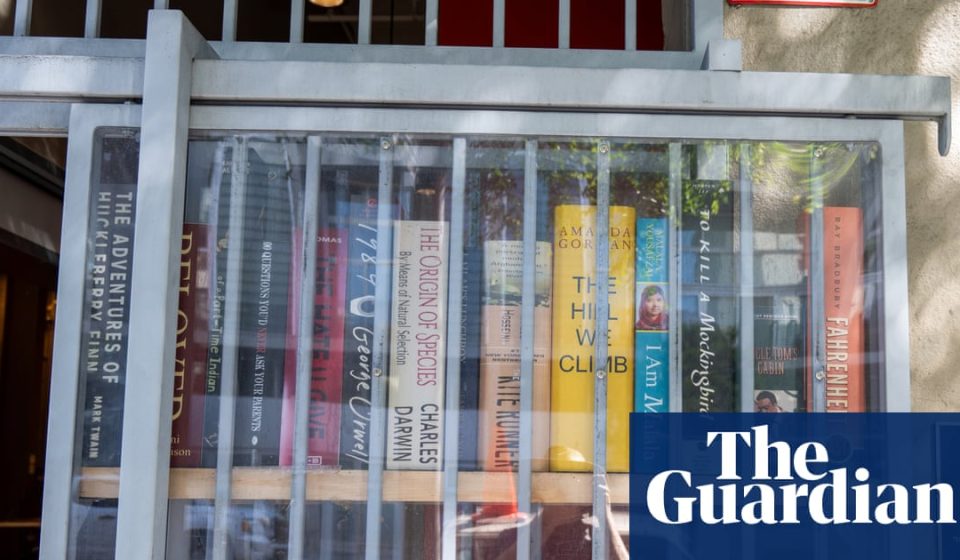

The United States saw nearly 12,000 book bans in public schools in the 2025-2026 school year, the highest number in a single year, according to the free expression nonprofit PEN America.
In a report released Monday, PEN America said there have been 34,000 cases of book bans since the organization began tracking the “growing book censorship crisis” in U.S. schools in 2021.
PEN said new state-level censorship laws have fueled much of this increase, in conjunction with the implementation of artificial intelligence tools that remove large numbers of titles. Texas saw the highest number of book bans in the 2025-2026 school year – more than 8,100.
The PEN America report states that this increase in Texas stems from Texas law SB13, which bans many categories of books in schools. Florida had already ranked first in textbook bans for the previous three years.
The bans covered a “record number of unique titles” – exceeding 7,000 – involving more than 4,000 authors, illustrators and translators. Analysts found that 114 school districts banned the books during the school year, “the highest number ever recorded for a single year.”
The most frequently banned title for the 2025-2026 school year was Sold by journalist Patricia McCormick. This young adult novel features a Nepalese teenager sold into sexual servitude. Stephen King was the most banned author for the second year in a row, PEN America said.
“Mostly, I feel angry on behalf of the women I interviewed for the article: young women who were sold into sex slavery, who told their stories so the world would know what was happening. To hear people, or book publishers, say that their stories are pornographic is so disrespectful to them,” McCormick said in a statement released by PEN America.
“It’s also really disrespectful to the students who are seeking out this book. There are kids who need a book like this because they’ve had some kind of experience of sexual exploitation in their own lives, and there’s something about reading the story of someone who is six degrees away from you – a girl in Nepal – that inspires a certain empathy and understanding that you might not have for yourself.”
The bans also revealed worrying bans on books sought after by young people, such as fiction and manga. Fiction accounted for more than 90% of young adult titles subject to bans, according to PEN America.
Kasey Meehan, director of PEN America’s Freedom to Read program, said: “While reading for pleasure is in decline at all ages, bans on popular and engaging titles are exceptionally tragic.
“Schools should do everything they can to connect children to reading by presenting them with engaging stories and formats,” Meehan also said in the statement released by PEN America. “Instead, many are doing the opposite, banning books that help children recognize themselves in literature, deepen their understanding and empathy for others, and develop their imagination.”
As book bans become more widespread, parents, students and educators are fighting the conservative shift seen in many U.S. school districts – including book bans. Progressive school board candidates have defeated many right-wing candidates in many Florida elections this year.
Gn usa