NEW YORK (AP) — Stock up on discounted shampoo while snagging a flat-screen TV and several Lego sets to place under the tree. Make a holiday list, compare style options and delivery dates and find the best price with the help of artificial intelligence.
Black Friday, the retail industry’s version of the Super Bowl, comes with a few twists and turns this year. Brands and stores have been promoting deep discounts online and in stores throughout the month, making the day once considered the unofficial kickoff of the Christmas shopping season seem like the fourth quarter of a football game.
AI-powered shopping tools and cost concerns fueled by American war against Iran They also influence how, where, when and what consumers spend, according to industry analysts. When Black Friday deals are available, staples like T-shirts, toiletries and pet supplies are added to carts along with gift items, analysts say.
“Usually when we think of Christmas shopping, we think of handbags, high-end jewelry and those types of items, but we’re quickly seeing that shoppers are also taking advantage of this season to stock up on essentials,” said Vivek Pandya, director of digital insights at technology company Adobe.
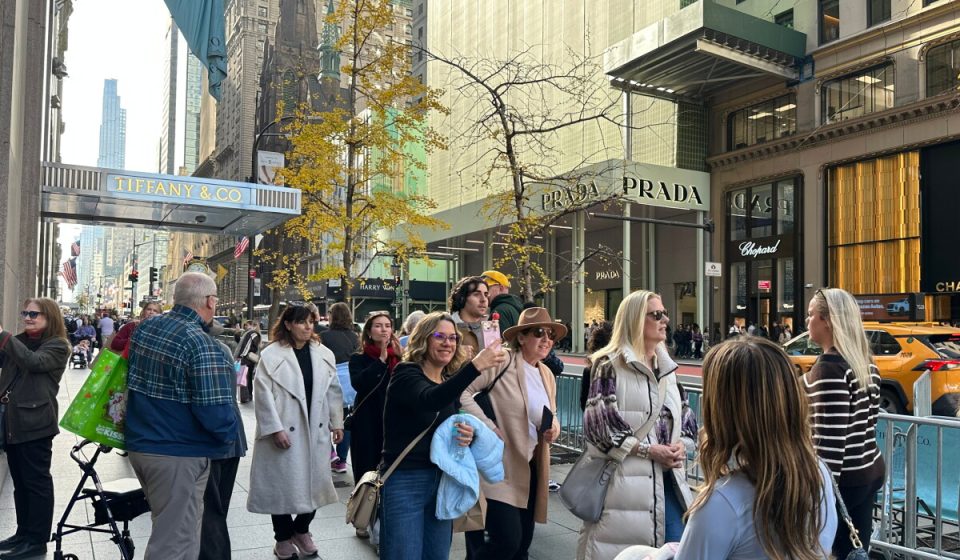
Black Friday still has enough diehard traditionalists to make it the biggest day of the year for retailer foot traffic, according to Sensormatic Solutions, which tracks activity in brick-and-mortar stores. Retailers large and small see this as an opportunity to improve their year-end situation and attract new customers.
“Black Friday is still the day for in-store shopping,” said Grant Gustafson, head of retail consulting and analytics at Sensormatic.
This year’s holiday shopping comes amid a U.S. economic environment marked by poor consumer confidence, high inflation and shoppers who continued to spend despite everything. Foot traffic data shows Americans are visit stores less often this season, and their purchases seem more intentional than impulse-driven, Gustafson said.
Here are some of the emerging trends for Black Friday and general holiday shopping in 2026:
Online spending has exceeded expectations so far
Analysts and economists closely scrutinize retail spending over the next five days with Thanksgiving Day and will end on Cyber Monday for clues about consumers’ financial capability and retailers’ outlook during the crucial holiday season and into the new year.
The good news for retailers is that consumer confidence has surged this month in the United States gasoline price continued a steady decline.
Online sales have so far exceeded expectations this holiday season, according to Adobe Digital Insights, a research and market intelligence program led by Pandya. U.S. consumers spent $82.5 billion online between November 1 and 22, 9.1% more than during the same three weeks last year.
Adobe predicted that U.S. online sales for the holiday shopping period, which ends Dec. 31, would increase 6.7% and total $275.1 billion. The National Retail Federation estimated that the price hike would account for about half of the 4.1% growth in sales expected in stores and online in November and December. The group’s forecasts American shoppers collectively spend $1.01 trillion.
Thanksgiving and Black Friday could still see deeper discounts
U.S. retailers generally held the line on prices instead of making large across-the-board increases, and offered substantial discounts that persuaded customers to buy sooner, industry analysts said.
Technology company Salesforce, which tracks digital spending at a number of retailers including grocery stores, said November’s discounts were 8% bigger than last year. Seasonal promotions drove average selling prices for physical merchandise down 1% compared to last November’s prices, Salesforce said.
Caila Schwartz, head of retail and consumer insights at Salesforce, said discounts encouraged shoppers to add 2% more items to their online carts from Oct. 1 to Nov. 18 compared to the same period last year.
“Over the past few years, a lot of the (sales) gains have come from rising prices,” she said. “That’s not what we’re seeing this year.”
While retailers offered discounts earlier this year, some starting before Halloween, Adobe’s Pandya said the best prices would likely still be available on Thanksgiving and Black Friday.
For example, discounts on TVs are expected to average 23% on Fridays, compared to 11% during the first 22 days of the month.
Shoppers buy household items as well as Christmas gifts
Personal gifts are a well-established holiday shopping trend. Black Friday expansion At a multi-week event, some consumers are also stocking their closets with toiletries and clothing that they would typically buy at another time, analysts say.
Online sales of personal care products were 40% higher from November 1 to 22 compared to the October average, according to Adobe data. Sales of home care products soared 33% and sales of basic clothing rose 27% during the same period, Adobe said.
The deepest holiday discounts are expected on clothing, home goods, and health and beauty, Salesforce said. The company said it expected an average discount of 33% on health and beauty products between Tuesday and next Monday.
“It’s not just a time when shoppers are buying gifts,” Schwartz said. “They’re also buying things that they need, so that’s going to help drive up a lot of the spending.”
AI tools could persuade users to shop more online
Consumers are using AI-assisted tools to help them compare products and pricesespecially since inflation and paying more for gasoline have made them more sensitive to price tags, Pandya said.
The belief that e-commerce sites will offer “the best possible value” has helped drive shoppers to spend more during their holiday period online rather than in-store, he said.
Traffic to online shopping sites from links to AI-based tools more than doubled this month compared to November 2025, Adobe said.
Walmart CEO John Furner told analysts on a conference call this month that customers who employed Sparky, the retailer’s AI shopping assistant, spent on average 40% more per order than shoppers who didn’t use the tool.
Amazon CEO Andy Jassy told analysts last month that U.S. shoppers using its Alexa AI assistant spend 50% more than those who don’t.
Gn bussni