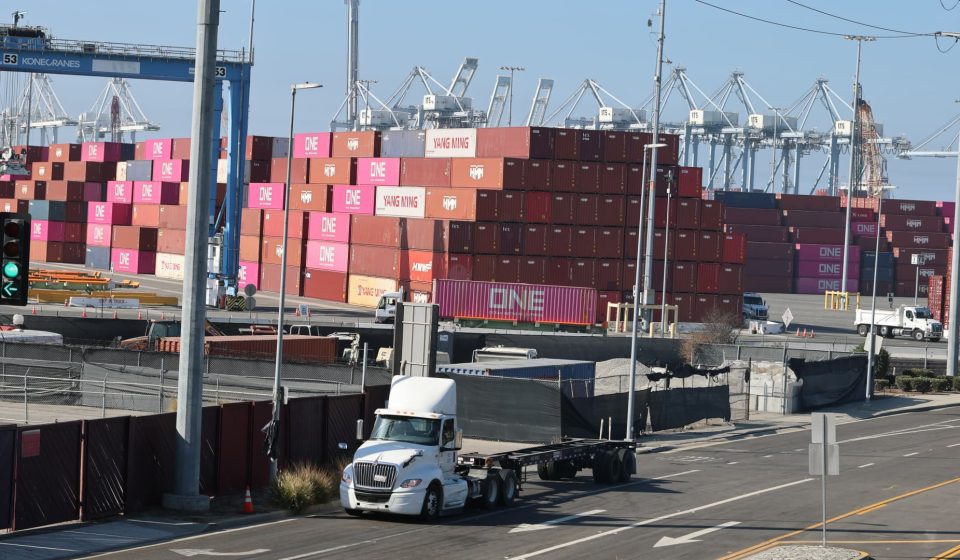
The United States has proposed new tariffs on 14 partners, including China, the European Union, Japan and India, as President Donald Trump doubles down on taxes, even though much of his previous duties have been overturned by the Supreme Court.
Targeted economies create, maintain or contribute to structural excess capacity and production in manufacturing sectors that burden or restrict U.S. trade, a senior U.S. official said.
The 14 partners have been informed of these actions, and the customs tariffs of neither country exceed the rates announced under the framework agreements on reciprocal trade, added the official.
The new tariffs will not be in addition to existing tariffs, with the exception of China, which faces 20% tariffs on top of the 25% imposed in 2018 on forced technology transfers.
New tariffs imposed on the world’s second-largest economy could rise to 40% if it fails to respect the end of the trade truce agreed in Busan, South Korea, in October 2025, after which tariffs on Chinese exports to the United States were reduced to 47%.
The administration says the tariffs target what it calls “overcapacity” — excess industrial production, often supported by government subsidies, that allows cheaper products to flood global markets and hurt U.S. producers.
“The so-called ‘overcapacity’ does not really exist,” China’s Foreign Ministry said on Wednesday ahead of the release of official reports from the U.S. Trade Representative, according to Reuters.
The new levies are imposed under Section 301 of the Trade Act of 1974, which allows Washington to counter foreign trade practices deemed unfair, discriminatory or burdensome on American trade.
CNBC previously reported that the new rates would be “country specific” rather than an overall rate, citing a source familiar with the matter.
Tariffs have been a signature of the Trump administration since the president unveiled sweeping “Liberation Day” taxes in April 2025 before suspending them after a bitter reaction from bond markets.
In February, the Supreme Court struck down tariffs that Trump had signed into law under the International Emergency Economic Powers Act.
Trump used Section 122 of the Trade Act of 1974 to impose 10% global tariffs after the court ruling, before replacing them with levies of up to 12.5% on 60 economies under Section 301, alleging forced labor practices.
Gn headline