The U.S. Postal Service is in serious financial disarray and will be forced to make drastic budget cuts unless Congress intervenes to save it, the agency has warned.
In a statement released Tuesday, the USPS reported losses of $6.5 billion during the fiscal year. Although this figure represents an improvement over last year’s $9 billion loss, the continued financial drain is beginning to have a serious effect on the agency’s ability to operate.
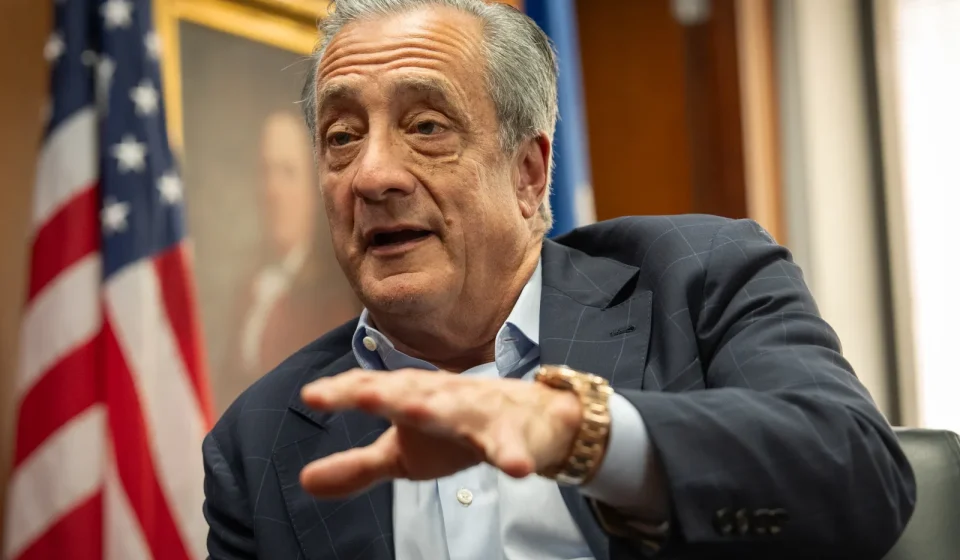
“We will need to make drastic changes to the number of post offices and marketing mail service levels,” Postmaster General David Steiner said. “And we will need to look at other areas to generate the cash we need to meet our obligations to our employees and to the American public.”
Learn more on News

Steiner said the scale of the problem requires immediate action by Congress, “as the out-of-control costs of our pension plans continue to create an untenable situation for our employees.”
Congress has two options to consider, he added: either eliminate pension mandates that prevent the agency from operating as a standalone business, or provide additional funding to allow it to overcome the financial shortfall.
If none of these options are considered, Congress and the American public will have to accept substantial cuts to its services, Steiner warned.
“The USPS is at the heart of a nearly $2 trillion ecosystem, supporting nearly 8 million jobs and providing critical infrastructure that reaches every address across the country,” he said. “Any financial support to close the deficit would be an investment in one of the central pillars of the American economy.”
Financial black hole
Steiner previously appealed to lawmakers for additional funding in June, warning the House that the agency could run out of funds within months if action was not taken.
“Ultimately, we are cash strapped. We are borrowing from our employees’ retirement funds to continue our operations,” he told the Senate during a committee hearing. “The Postal Service has a failing business model and Congress must act to fix it.”
The USPS has posted net losses of about $120 billion since 2007, after its largest revenue source, first-class mail, saw a sharp decline in usage following the shift to digital communications.
The Postal Service delivers 170 million addresses six days a week, costing the agency $3.4 billion a year, Steiner said. Seventy percent of the lines are loss-making and around 58 percent of the 18,000 post offices are also unprofitable.
Last year, Steiner’s predecessor, Louis DeJoy, reached an agreement with the Department of Government Efficiency (DOGE) to cut 10,000 jobs at the Postal Service in an attempt to reduce the agency’s deficit; a decision that likely had a significant impact on the reduction in losses reported by the USPS on Tuesday. The move, however, was heavily criticized by unions and congressional Democrats, with House Representative Gerald Connolly saying the move would have “catastrophic consequences for all Americans.”
Next steps
Steiner’s comments come three months after he warned lawmakers that postal deliveries could stop in 2027 due to a lack of funds. However, following a series of emergency measures, including a temporary price hike in April to cover rising fuel costs and a multi-year deal with DHL, the agency is now believed to stay afloat until at least 2031.
“At the end of the day, our fiscal cliff is here,” USPS Governor Amber McReynolds told Politico. “The board continues to make uncomfortable decisions by default, and we do not want to continue operating in an unsustainable position as we have. »
The USPS will now look to the new Democratic-controlled Congress for next steps when the new class takes office in January.
President Donald Trump has already floated the idea of privatizing the Postal Service or merging it with the Commerce Department. However, the move was met with strong opposition from workers, with an American Postal Workers Union survey showing respondents reject privatization by a margin of 34 percent.
“Plans to privatize the Postal Service are about enriching Wall Street, not serving Main Street,” said APWU President Mark Dimondstein. “Evidence shows that selling USPS would result in higher postal service prices as well as package shipping prices at FedEx and UPS.”
Contact Newsweek editors on this story: Ben Kelly and Emma Lee-Sang
Gn bussni