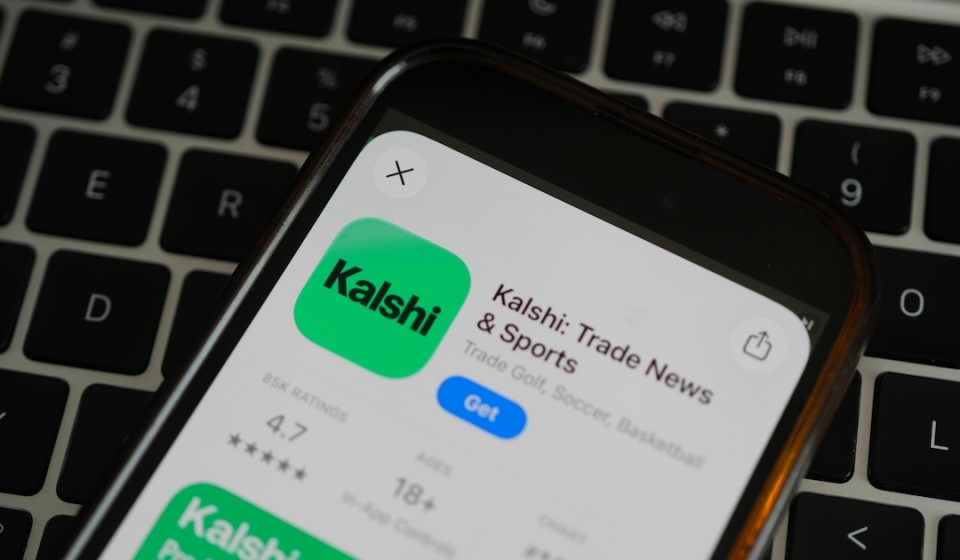

Utah is suing Kalshi for what the state calls “brazen illegal conduct” and is asking a judge to order the company to stop offering betting in the state and approve a geolocation tool to enforce the ban.
He also wants the prediction marketplace platform, used primarily for sports betting, to pay out the millions it made from fees from bets placed by Utahns and that residents lost from those bets.
Attorney General Derek Brown emphasized that the lawsuit does not target the more than 32,000 Utahns who verified the Kalshi accounts.
“Let me be clear: This is against business,” Brown said. “It’s not against you.”
Gambling is illegal in Utah under the state constitution — and Kalshi is “well aware” of that, says the complaint filed Tuesday in state court. It names Kalshi, four of its subsidiaries and two Pennsylvania-based trading companies that provide pricing and liquidity for the platform.
Utah’s ban hasn’t stopped gambling companies from operating in what they view as a legal gray area. Kalshi and other prediction markets claim that event contracts are financial “swaps” sanctioned by a federal trade commission.
But Kalshi functions similarly to “the manager of an underground casino,” the state claims, because the company acts as a market maker on its platform, facilitates betting and keeps a portion of each bet as its own payout.
The company even has an entity responsible for finalizing and settling bets, including making payments, which the state says means it’s not just a third-party trading platform.
“He administers a closed-loop betting system,” the complaint states, “in which he creates the games, manages the bets, and pays the winners.”
Lawyers representing Kalshi in a federal lawsuit against the state did not immediately respond to a request for comment Tuesday. Company spokespeople have previously called similar lawsuits a type of “political theater” and said states “can’t just shut down a federally licensed exchange.”
While the state’s focus is on Kalshi for now, Brown asked other businesses using similar means to “follow Utah law.”
“Indistinguishable” from a traditional bookmaker
At first, the complaint says, Kalshi only offered “betting related to traditional financial instruments.” But by 2024, any attempt to distinguish what it does from gambling “collapsed,” the complaint adds, once it began offering sports trading and using language specifically referring to betting on professional football and other sports.
Kalshi now offers “many” types of bets, which the company refers to as event contracts, the complaint says, and “regularly” adds more.
He offered between 100,000 and 300,000 open bets, which he called markets, per day for three months over the summer, according to the complaint.
Contracts or event bets, the state contends, are “indistinguishable from the format of bets offered by any sportsbook,” including proposition bets, parlays and in-game point spread bets.
Kalshi offers much more than just sports betting. The complaint describes various other types of bets people can make, including:
• Elections with bets like “Blue wave this year? and “The closest Senate race this year? »
• Policy with options such as “(President Donald) Trump’s approval rating on Friday” and “Who will be arrested this year?” »
• Culture betting on things like who will headline Coachella in 2027 and the next James Bond film.
• Mentioned with bets like whether Trump will mention Arizona during an investment announcement.
Kalshi made millions and Utahns lost millions
The state estimates that Kalshi earned between $30.6 million and $61.2 million in fees on bets placed in Utah accounts from the fees he keeps as part of each bet and that Utahns lost $5.5 million in individual bets.
Brown called those “general numbers” and said the state would learn more as it gathers information leading to a possible civil trial. If Utah succeeds in obtaining restitution, he said, there is no plan yet to spend that money.
The state is concerned about “the significant and substantial harm caused to a significant number of Utahns,” Brown said, and that’s why it filed the lawsuit in 3rd District Court.
He had a message for young men who are the “targets of these online trading apps” regarding Kalshi and similar companies.
“They’re not your friends. They don’t help you invest. They don’t provide you with information or opportunities,” Brown said. “Frankly, they are designed to do one thing and one thing alone, and that is empty your wallet.”
He urged people who are losing money to stop and seek help through the National Problem Gambling Hotline by calling or texting 1-800-697-3738 or visiting 1800myreset.org.
Part of a national fight
The lawsuit follows a legal dispute with Kalshi, who attempted to settle the legal issue earlier this year by preemptively suing Utah, alleging that the federal government’s Commodity Futures Trading Commission had authority over markets operated by Kalshi.
In August, a federal judge sided with the state in its lawsuit against Kalshi, strengthening Utah’s ability to regulate prediction markets in the state.
Kalshi appealed that decision to the 10th U.S. Circuit Court of Appeals and sought to block enforcement of Utah’s laws during the appeal. The court rejected that order last month and the appeal is still pending.
Utah isn’t the only state battling Kalshi.
Red and blue states have filed lawsuits to take on the company and other prediction markets. Several of them are engaged in litigation over whether prediction markets are subject to state gambling regulations.
In July, Brown joined 43 other attorneys general in signing a letter attacking the platforms as a “new form of casino” that companies use to “manipulate others” – namely “particularly vulnerable” young people.
Gn bussni