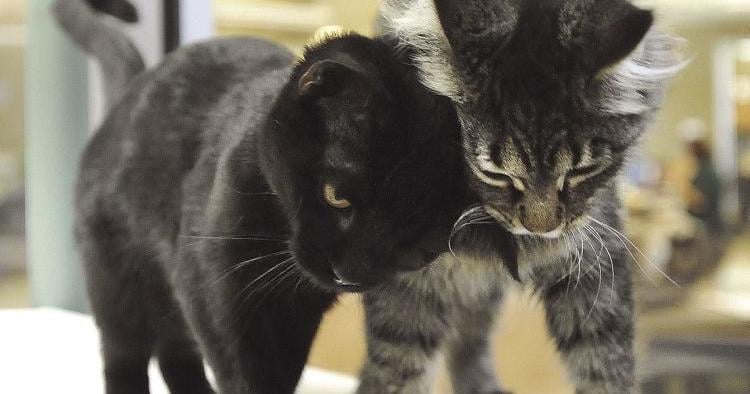

A highly contagious and often fatal feline disease is spreading in Eastern Idaho, prompting warnings from local animal shelters and veterinary clinics, urging cat owners to make sure their felines are vaccinated.
The Idaho Falls Animal Shelter said on Facebook it has seen “a massive influx of feline panleukopenia recently,” warning that the virus “spreads like wildfire and is almost always fatal without immediate medical intervention, and even then, it is sometimes still fatal.”
Alpine Animal Hospital in Chubbuck issued a similar warning, saying it had also seen an “influx of cases of feline panleukopenia” in the area in recent weeks.
Feline panleukopenia, sometimes called feline distemper, is a highly contagious viral disease that primarily affects cats. According to Alpine Animal Hospital, the virus attacks rapidly dividing cells, including those in the bone marrow and gastrointestinal tract, and can cause a significant drop in white blood cell counts.
Symptoms may include extreme lethargy or weakness, loss of appetite, vomiting, diarrhea (sometimes with blood), dehydration, rough or dull coat, and fever. In severe cases, the disease can lead to sudden death, especially in young kittens.
The virus spreads easily. An infected cat can shed it through bodily secretions, especially feces, and it can also be spread indirectly through contaminated food and water bowls, bedding, clothing and shoes. That means even cats that stay indoors full time aren’t necessarily safe from exposure, Alpine Animal Hospital said.
But there is good news, according to Alpine: vaccination offers strong protection. The FVRCP vaccine, considered a core vaccine for cats, includes protection against feline panleukopenia. Kittens typically begin the vaccine series around six to eight weeks of age, followed by booster shots on a schedule set by their veterinarian.
Vets are urging cat owners to check whether their pets’ vaccinations are up to date, given the recent rise in cases.
Owners whose cats show signs of illness – including vomiting, diarrhea, severe lethargy or refusal to eat – should contact a veterinarian promptly. Early treatment and supportive care can be essential for cats affected by the disease.
Gn Health