Key Points
- Women over 40 can benefit from creatine because they naturally store less of it as they age.
- Creatine boosts brain energy to promote better memory, concentration, and mental acuity.
- It helps strengthen bones, build muscle, and reduce inflammation as women age.
Creatine has become one of the most talked about supplements and many people are adding it to their daily routine. While most research has focused on men, new research suggests that women, particularly those over 40, may also benefit from regular use. “Women tend to have lower creatine stores than men, which means they can benefit from even more beneficial supplements,” says Marie Spano, MS, RD, CSCS, CSSD.
In fact, women naturally store 70-80% less creatine in their bodies than men and tend to consume fewer dietary sources of creatine, such as red meat and seafood. As people age, creatine intake tends to decrease even further, making supplementation an attractive option.
So what exactly is creatine? Creatine is a compound found in every cell in the body. It is naturally produced from amino acids and stored primarily in muscle tissue. Simply put, creatine helps your body replenish its energy during times of high demand, such as strenuous exercise, or when energy is limited, such as mental fatigue or lack of sleep.
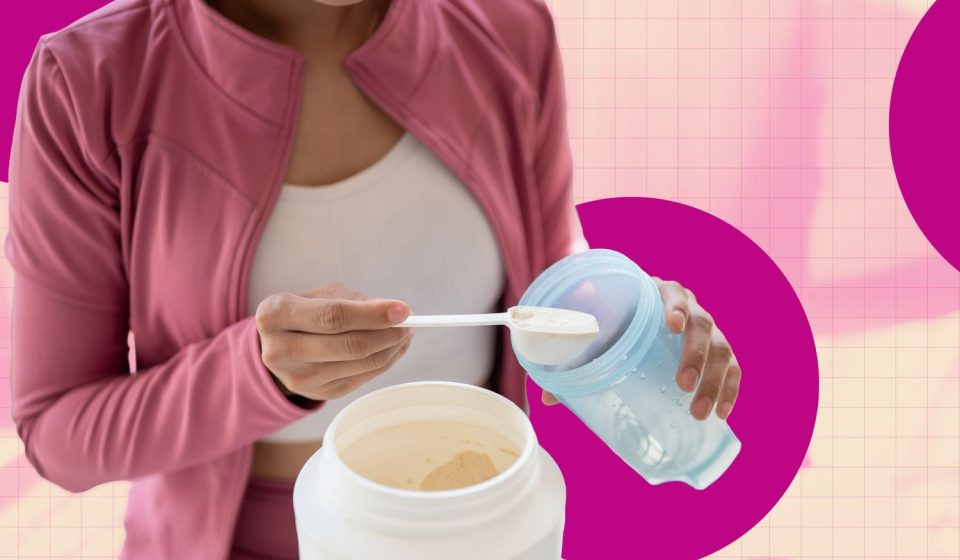
You can get creatine from protein-rich foods like meat and seafood, but it is also available in dietary supplement form. Most supplements come in powder form that can be mixed with liquids, but you can also find gummies, tablets, and capsules. Because it’s difficult to get enough creatine from food alone to increase your body’s stores, supplements can help fill this gap.
If you are a woman over 40, here are some of the potential benefits of creatine supplementation.
While you may not notice memory changes in your 40s, it never hurts to give your brain a little extra boost, and that’s where creatine can come in. “Studies suggest that creatine doesn’t just fuel muscles. It may also promote sharper memory, better focus, and faster thinking,” says Spano.
“Creatine in the brain increases with supplementation,” adds Leslie Bonci, MPH, RD, CSSD, LDN. “This increase can improve cognitive functions, including memory.”
Studies have shown that taking creatine can improve memory in healthy people, including older adults. These effects occur because creatine supports your brain’s energy systems, increasing levels of phosphocreatine and ATP, the primary energy sources used by your brain cells. Creatine also supports your mitochondria, the “power plants” of your cells, helping them produce more energy more efficiently. This extra energy helps your brain function optimally.
Women are at greater risk of developing osteoporosis as they age, and bone density naturally begins to decline after age 40. Although research is inconclusive, creatine may play a role in bone health by stimulating osteoblasts, the cells responsible for building bones. When these cells are more active, they release a protein called osteoprotegerin, which slows down osteoclasts, the cells that break down bone. The result can be less bone loss and stronger bones.
That said, creatine alone cannot improve bone mineral density. But some studies show that, combined with resistance training, creatine can help slow bone loss in postmenopausal women.
Women who lift weights can better preserve their strength by taking creatine. “Pairing creatine with resistance training can help women gain more muscle and strength compared to resistance training alone,” Spano shares. “This gives women an important advantage in remaining strong, independent and active as they age. »
As we age, we naturally lose not only our bone density, but also our lean muscle mass and strength, which can increase the risk of sarcopenia, an age-related muscle loss. Combining creatine and resistance training can help counteract this process. “Creatine is most effective for women doing resistance training, but it can also lead to greater muscle strength and power in women regardless of training,” adds Bonci.
Research shows that starting with a short loading phase – around 20 grams/day over several days – is the most effective way to increase strength. Then, a daily dose of around 5 grams is enough to support upper and lower body strength. Even taking creatine only on training days (instead of every day) has been shown to result in a noticeable increase in muscle mass and strength.
Berries and oily fish often get all the credit for their antioxidant and anti-inflammatory benefits — and for good reason — but creatine may also deserve a spot on this list.
Chronic low-grade inflammation tends to increase with age and can harm muscle, bone, and overall health. Estrogen levels before menopause generally help keep inflammation in balance, but during menopause, estrogen production stops. This hormonal change not only affects bones, but also inflammation and the immune system. Studies show that menopause is linked to a decrease in immune cells that fight infections, as well as an increase in inflammatory markers. Although the evidence is inconsistent and more human studies are needed, some suggest that creatine may help slightly reduce inflammation.
Our expert opinion
Creatine is one of the most talked about supplements, and for good reason. For women over 40, it may promote better memory, protect bone density, increase muscle mass, and help reduce inflammation. “Creatine is a metabolite with powerful benefits from head to toe and is an important part to consider in a woman’s fuel kit,” concludes Bonci.
Gn Health