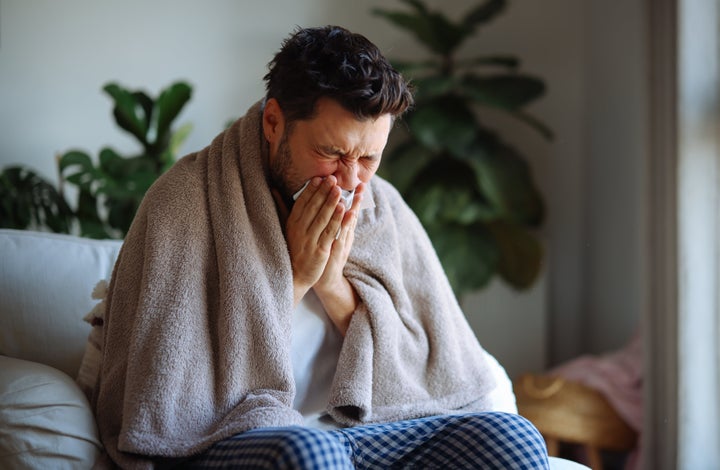
Are you sniffling and sneezing right now?
Although there are plenty of illnesses this fall (COVID, flu and more), rates of rhinovirus and enterovirus, which are illnesses that cause the common cold, have been high across the United States, according to data from the Centers for Disease Control.
“It’s not unusual for this time of year,” said Dr. Aniruddha Hazra, an infectious disease physician at UChicago Medicine. “We think of them as seasonal respiratory viruses that often start to increase or spread around the fall, usually when kids are back in school and there are more indoor activities in general.”
Although there is currently an increase in enteroviruses and rhinoviruses, “I don’t want people to worry that this will cause an increase in hospitalizations or that people will get very sick,” Hazra said. “We typically see this happening at this time of year. So it’s not something that is a major cause for concern.”
Still, no one wants to catch a cold or accidentally transmit their illness to a loved one. Here’s what you need to know about the symptoms of these viruses and how to avoid getting sick.
These viruses cause typical cold symptoms like cough, runny nose and fever.
“(Rhinoviruses and enteroviruses) are part of a very large family of closely related viruses that can cause a variety of different syndromes,” said Dr. Ryan Carroll, an infectious disease physician at The Ohio State University Wexner Medical Center.
“These two (viruses) are some of the most common viruses that we see circulating in the community, and they also cause some of the most common syndromes that we see, which are going to be things like the common cold or gastrointestinal illnesses,” Carroll said.
“We usually think of upper respiratory symptoms related to rhinovirus,” Hazra said. This includes congestion, runny nose, cough and fever. “Enterovirus is also a respiratory virus,” which can also cause cough, runny nose, congestion and fever, Hazra added.
Beyond coughing and congestion, enteroviruses can also cause gastrointestinal illness and even damage to the hands and feet. Specifically, the enterovirus family can cause nausea, vomiting or diarrhea, “but the symptoms are quite variable,” Carroll added.
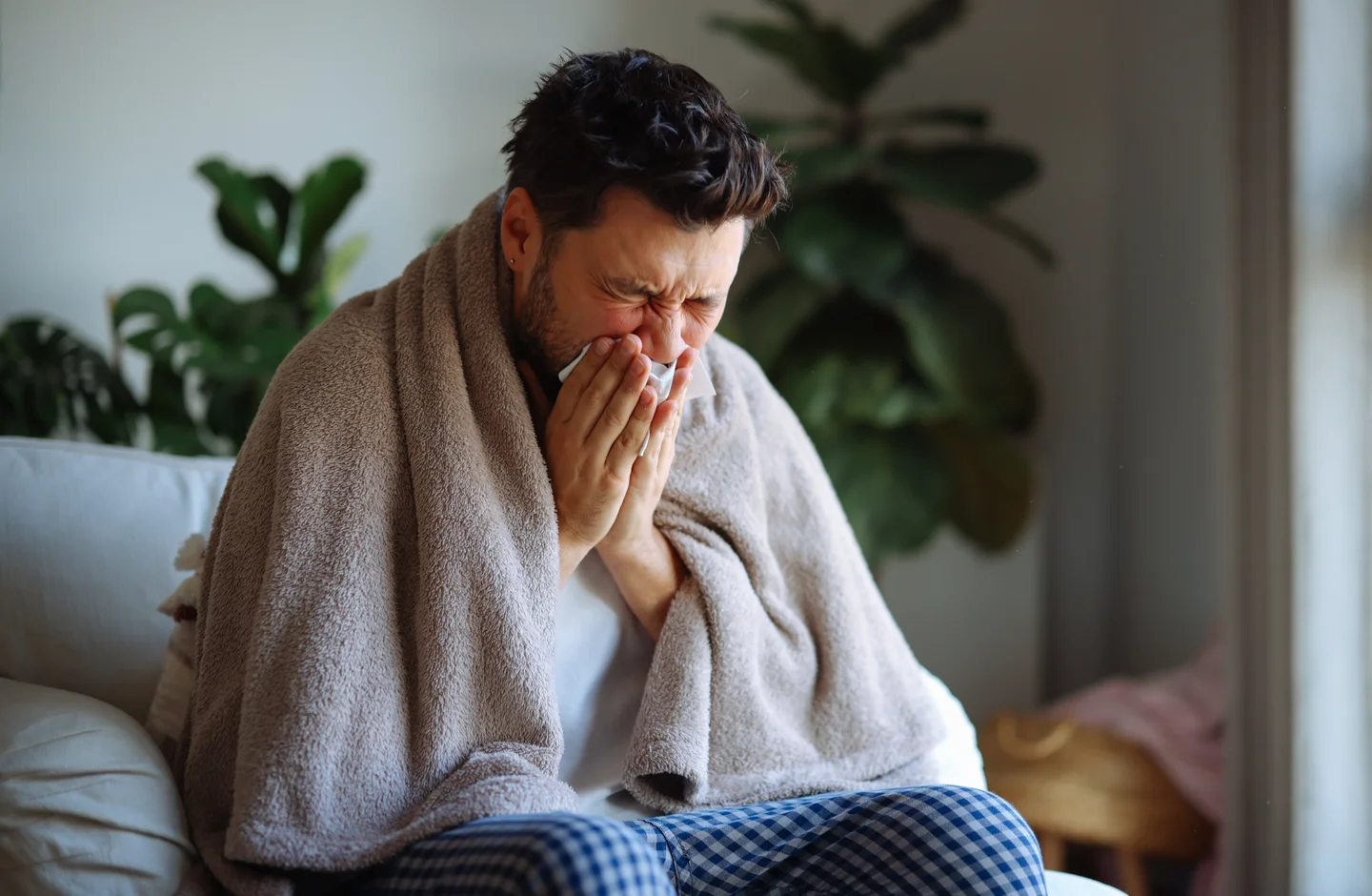
Ozgurcankaya via Getty Images
To avoid getting sick, practice good hand hygiene, wear a mask if necessary, and get vaccinated.
Washing your hands well (and frequently) can help you avoid contracting illnesses like rhinovirus, enterovirus and other fall viruses like the flu and COVID, Carroll said. It’s also a good idea to wash your hands thoroughly around large groups of people, after using the bathroom, before eating and before touching your face, he noted.
“You may notice that hospital systems are starting to increase masking in health care settings…masking, depending on your risk calculation, is something that is important to recognize,” Hazra said.
Wearing a mask can prevent you from catching a virus and prevent others from catching yours.
“And then getting vaccinated against other respiratory viruses is helpful because sometimes, especially children, can be co-infected with multiple respiratory viruses,” Hazra said.
Getting vaccinated regularly against viruses like COVID and the flu can protect you from co-infection or “potentially having a really bad case of multiple viruses at once,” Hazra noted.
If you’re one of the many people who caught a cold this fall or winter (or any upper respiratory virus, for that matter), stay home when you’re sick, he added.
Although these viruses cause common symptoms that can usually be treated at home, they pose a significant risk to some people, such as those with weakened immune systems or who have underlying lung disease, Carroll said.
“We want to be very careful to protect these community members as much as possible,” he said before emphasizing the importance of washing hands and staying away from other people when sick.
It’s a difficult time of year for upper respiratory illnesses, but with the right precautions, you can reduce your risk of getting sick and reduce the risk of spreading your illness to your loved ones.
Gn Health