
Updated October 9, 2026, 10:25 a.m. ET
NEW YORK – It started with a rash on his stomach that wrapped around his back.
Eventually it cleared up. Until about a year later. This time, with a blistering rash that put EGOT-winning actress Viola Davis at a “9 out of 10” on the pain scale.
Davis didn’t know what turned out to be two cases of shingles. It wasn’t until her co-star told her to see a doctor that she understood how this illness could affect her.
Shingles, or herpes zoster, is a viral infection caused by the varicella-zoster virus, the same virus that causes chickenpox, according to the Centers for Disease Control and Prevention. One in three people in the United States will develop shingles in their lifetime, and adults over the age of 50 are at increased risk.

Signs and symptoms may include pain, itching, tingling skin, a painful rash with blister-like sores, fever, headache, chills, and upset stomach. This can last between two and six weeks, according to the Cleveland Clinic. In cases like Davis’, it’s possible to get shingles two or more times.
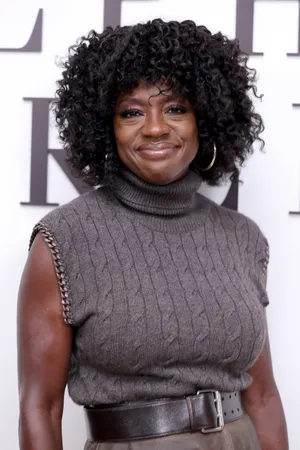
On Oct. 7, Davis was joined by “Sex and the City” actress Kristin Davis, who spoke openly about a heartbreaking case of shingles on her face, and former “TODAY” show host Hoda Kotb, who spoke with Viola Davis about navigating health care with aging at a luncheon celebrating the launch of GSK’s “Shingles, Actually” campaign near Central Park. Davis is the campaign spokesperson.
“It’s healing, even in a small way, to be able to speak your truth in a room full of people who have empathy,” Davis told USA TODAY after sharing her health journey on the panel.
‘I had to endure the pain’: why Viola Davis struggled to see a doctor
Despite the prevalence of shingles, seeking help didn’t come naturally to Davis. She felt obligated to be a “strong woman” and felt like admitting she was suffering would be showing weakness.
“The pain, when I felt it, was so intense,” she told USA TODAY. But it felt like “to be powerful, I had to endure pain.”
She said she came from a long line of women who were taught to be “good” rather than “brave,” who didn’t value vulnerability as much as what you are capable of overcoming. So she endured the pain, but not without ultimately facing serious burnout.
“It’s all these things that you’re taught as women, to suppress your voice because it makes you more feminine, to serve others because it makes you stronger and more valuable. Not to complain,” Davis said. This resistance can spill over into your physical health, because sometimes, to get adequate care, you have to “be all the things you were taught not to be.”
Women often face additional barriers when seeking medical care to relieve their pain, including not being believed by their doctor when they share the severity of their symptoms.
“You have to be aggressive with your doctor,” Davis continued. “You have to demand answers, you have to demand treatment options. They have to give you all the information, even about shingles.”

How to seek help for shingles
Davis gave one key piece of advice to those who, like she once was, are afraid to ask for help when they’re hurting: “Just go for it.”
“People think it’s a big thing to open your mouth and speak your truth,” Davis said. “I think it’s just a step. That’s all.”
According to the Mayo Clinic, your doctor may prescribe antiviral medications to speed recovery from shingles and reduce your risk of complications, as well as different pain relievers and numbing agents. In adults 50 and older, the shingles vaccine (Shingrix) is recommended by clinicians for prevention, even in people who have had shingles before, according to the Cleveland Clinic.
Dr. Jen Caudle, a board-certified family physician who joined GSK’s campaign, said it’s not uncommon for patients to attribute shingles to a “bug bite” or overreaction at first. But the pain doesn’t have to be unbearable before making an appointment, she stressed.
“It can be absolutely debilitating in terms of pain, time off work or impact on their life,” she said. “I don’t want anyone sitting at home with shingles going untreated, not getting any treatment or prevention that might apply to them. There are real risks to that.”
She is a “strong advocate” for people finding the right care providers who “take them seriously and respect what they say as patients,” so they feel comfortable seeking help sooner.
When Davis honors her voice, she feels better “100% of the time.”
“We are valuable enough that our voices are heard,” she said.
Gn Health