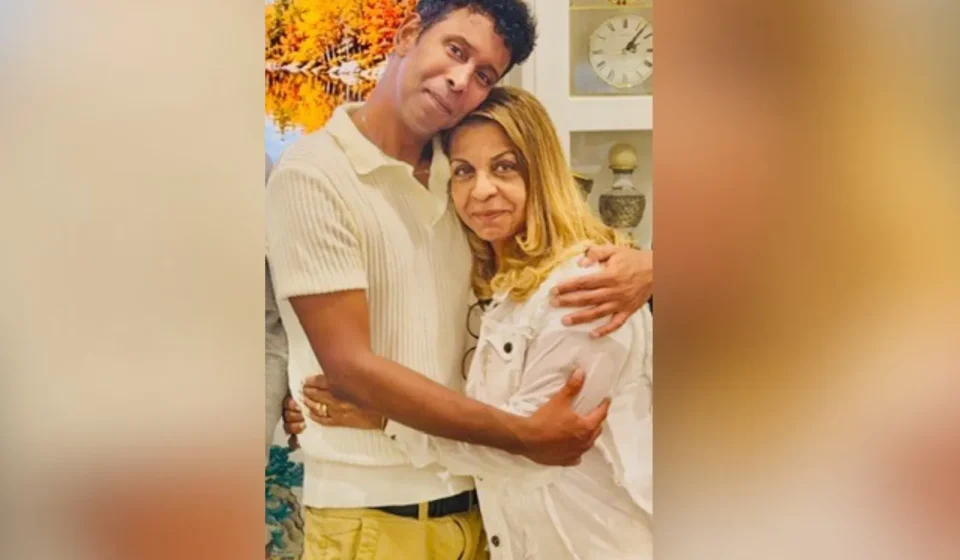

During my senior year of high school, instead of developing a case of “senioritis,” I was hit with baby fever. My most difficult assignment was not the SATs, my college applications, or prom, but rather helping my mother through in vitro fertilization, since her then-husband, my stepfather, was in Mexico working. So, at 17, in New York, while my classmates were preparing for exams and visiting campuses, I took his place in his place.
As a teenager hiding my own secrets and wanting to better understand my mother’s peculiar marital arrangements, I became a spy in my own home, sticking my ear to doors, learning what adults said when they thought no one was listening. One evening, I overheard my mother and grandmother discussing, in hushed, delighted voices, the gay son of a teacher in our homeland, the Dominican Republic. They told how his father had beaten and disowned him, how the story had spread like a telenovela recap, how the son had “contaminated” the family and would never marry or have children.
“It breaks my heart to see how hurt he was,” my mother said. “But God forbid my child turns into that.”
I was gay but closeted, realizing how my life did not correspond to the one described in this low and certain register. That was also the year I learned why she never made my father pay child support. “A son raised only by a mother is doomed to become a faggot,” he had told her repeatedly throughout their divorce. I have classified these sentences.
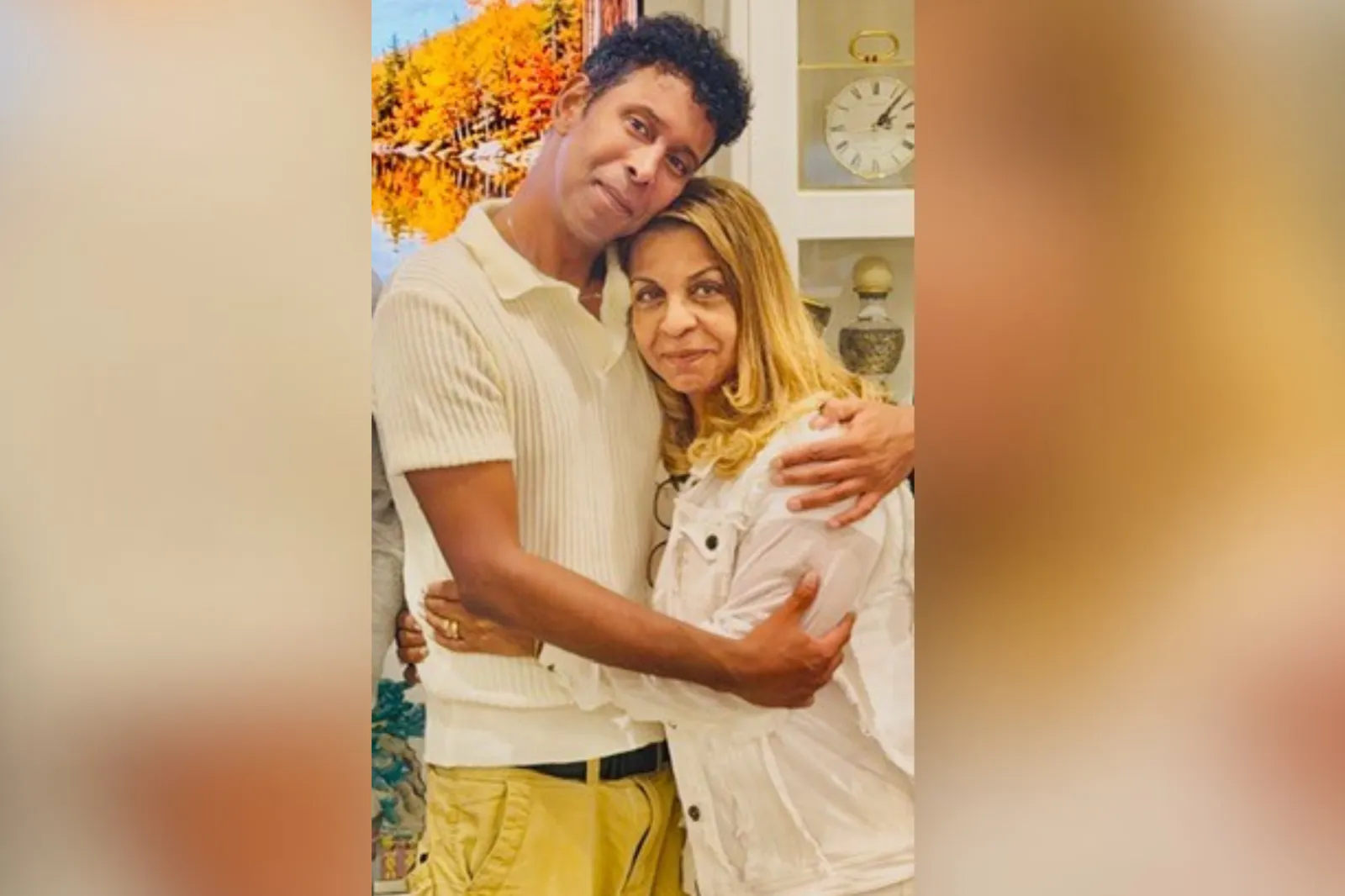
Although my mother’s new marriage was difficult, she was desperate to have another child, so she turned to IVF in her absence, using a sperm donor. With her husband in Mexico and no one else to sit with her during frequent appointments and injections, the work fell to me.
“I will never be able to thank you properly,” she told me, her eyes shining. “You’ll be a big brother-godfather. You can even name the baby.” I said yes before I understood what I was agreeing to.
The first time I walked into the doctor’s office, I was struck by the quiet shade of beige on the walls, the posters of babies, and the almost magical complexity of a framed diagram of the female reproductive system near the reception desk. My eyes darted to a stack of carefully curated celebrity magazines advertising their own “miracle” pregnancies, just before a nurse came through the treatment room doors to call me back. I was there for an orientation on how to administer intramuscular injections. My mother needed daily hormones to optimize the egg culture process, and I also needed to learn how to track her cycle, dosages, dates, side effects. The nurse wanted to know if I was comfortable. I was the only teenager there, dressed in a T-shirt and jeans, with my SAT prep book and backpack, in a room full of older men in suits with briefcases.
I thought of my mother mixing aspirin and bleach in a syringe when I was a child, “medicating” her flower arrangements to delay their inevitable decay. Now she was the one receiving the injection and I was the one holding the needle. It became a second job, color-coded on a calendar, like the other seniors coded one for finals. The doctor warned her that the hormones would make her skin lumpy, even scarring, in addition to mood swings. My mother, who prided herself on staying slim enough to wear her size 8s and stilettos, let me joke that her classic Coca-Cola bottle figure would turn into a crushed soda can.
“When you really want something, sacrifice is the price,” she said.
With every needle I plunged into his lower back, I injected my own desire for freedom right next to it. I desperately needed her to have a straight son, who she would never have to be ashamed of. On the days when I didn’t want to accompany him to another appointment, I told myself that each good exam brought me closer to my own freedom. The day before she was inseminated, my college acceptance letter arrived. I took it as an omen. This desire to have a brother didn’t just concern her. I had been helping my mother since I was six, parenting before I even had the words to say it, translating for her, managing her moods, absorbing whatever version of the family history I needed that week. I had spent my entire life working in a job I never applied for and I really wanted to quit. A brother could possibly take on this role. He could take my place as a good son. And if he did, I could finally stop playing and pretend to be someone other than the son my mother and grandmother described in their hushed, horrified voices at the kitchen table. I could go out.
Instead of pregnancy, the first round of medication caused migraines, mood swings, severe acne, and golf ball-sized lumps along my mother’s hips. She wanted to try again immediately, but doctor’s orders dictated a four-week wait. I was worried; Beyond the physical consequences, the treatment could cause ovarian cysts or liver damage, and I begged her to stop, or at least consider adoption.
“It’s not the same,” she said as she wrote the second-round check. “Nothing replaces the experience of watching a child grow inside you.”
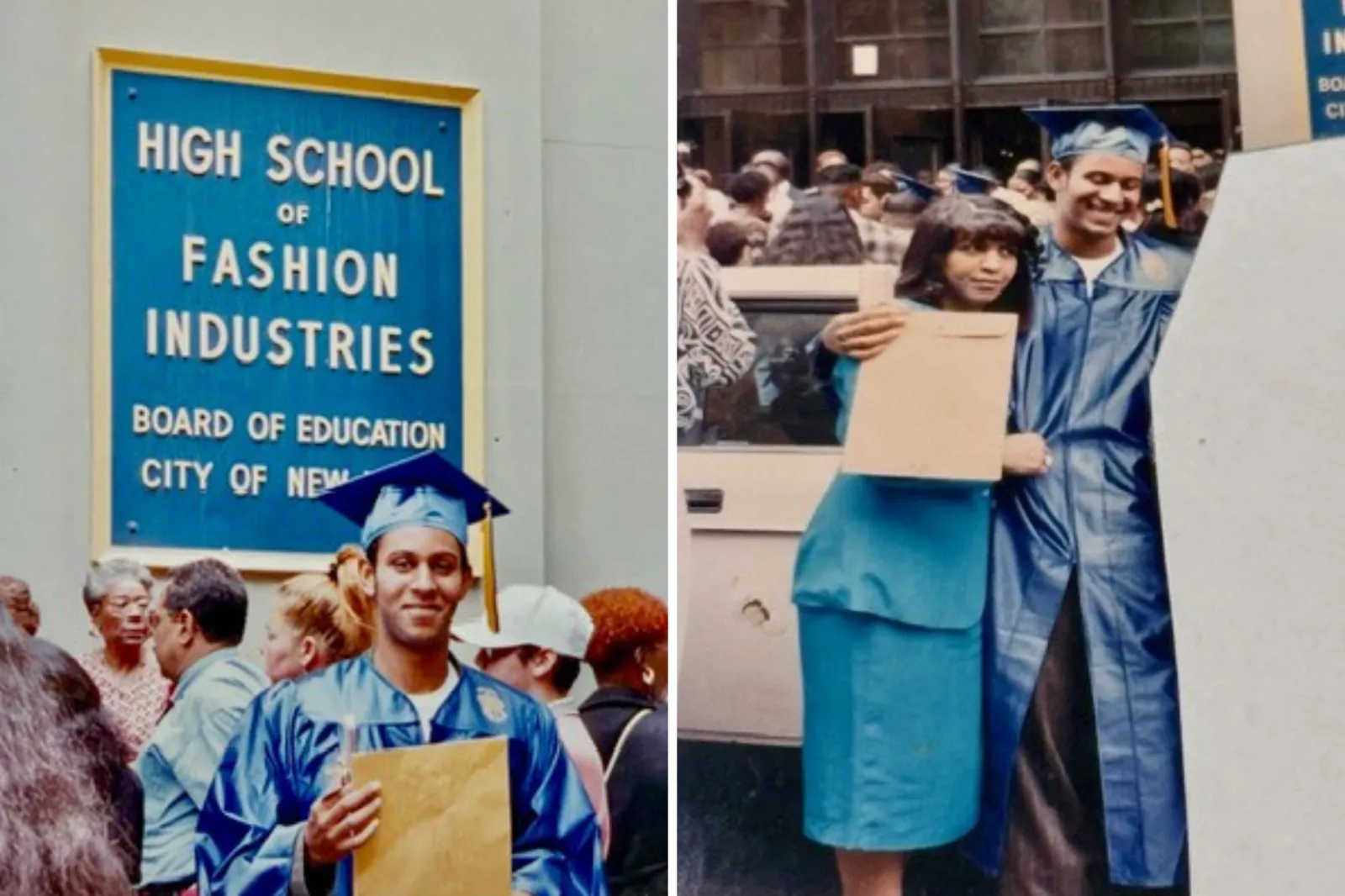
The second round worked. Twins. We held each other and cried, even though I couldn’t really allow myself to feel it next to her. I remained a passenger in my own body, both relieved and terrified, watching a future that I had helped build arrive. We went shopping the same afternoon, blue and pink, yellow and green, for “neutral occasions”. At my high school graduation, my mother was a month early, dressed in an azure suit and kitten heels, beaming in the June heat. Four months later, she suffered a miscarriage.
“I had already felt them growing,” she said, her voice flat with fatigue. “A boy and a girl. I can handle physical pain. Not loss.”
No brothers came. No one to replace me, no understudy waiting in the wings so I can finally get off stage. Whatever door I hoped someone else could open for me, I would have to open it myself. I came out at 22, five years later. It’s not because a brother or sister arrived to take over my role, but because I finally understood that no one would come and take over from me. I had spent my senior year learning to hold my mother’s hand, injection after injection, appointment after appointment. Over time, I became my own doula and eventually freed myself.
Emillio Mesa is a writer based in Orlando, Florida, who is working on a memoir about his life with his mother’s husbands.
All views expressed in this article are those of the author.
Do you have a personal essay you’d like to share with Newsweek? Send your story to MyTurn@newsweek.com.
Gn Health