
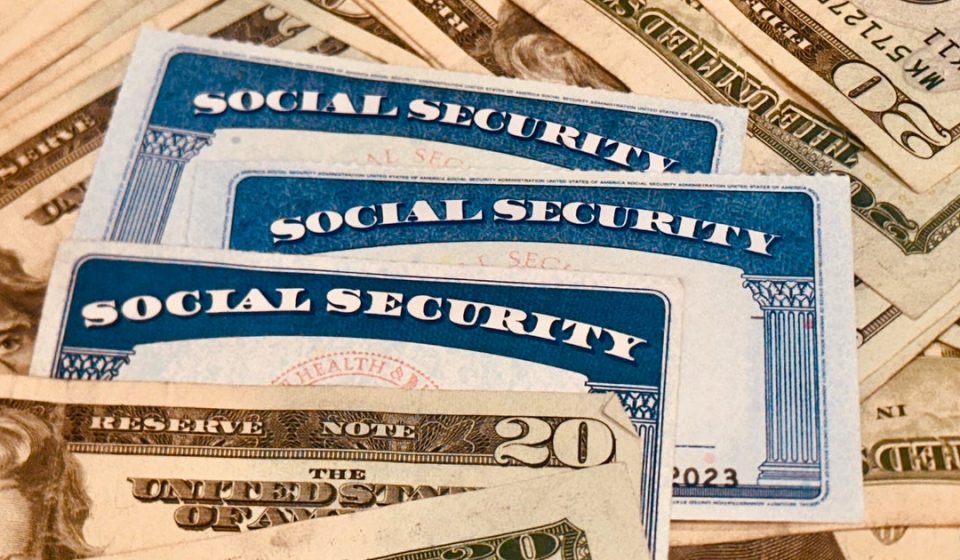
Why you just received a $90 Social Security check — and why 40 million seniors didn’t get it

Millions of seniors are receiving $90 deposits from the Social Security Administration this week, prompting some to question where the money is coming from. The checks are linked to the Trump administration’s announcement that it would send checks to about 20 million Medicare enrollees to reduce health care costs.
President Trump announced Friday that the administration would send money to some participants in Part B of the health care plan, which funds doctor visits, outpatient care and preventative screenings. About a third of the 62.9 million Medicare Part B enrollees are eligible, and about 40 million are not eligible for payments.
Payments are funded by the Medicare Improvement Fund, created by Congress to improve and support Medicare’s original fee-for-service program. Experts say the $90, while helpful, won’t fully offset the higher costs Medicare beneficiaries face.
Premiums for Part B increased by more than $200 a year in 2026 and are expected to rise by nearly $80 in 2027, according to the most recent annual report from Medicare administrators.
Americans of all ages are struggling with rising health care costs, which they cite as a top financial concern, according to a poll by the nonprofit health policy research organization KFF.
Who is eligible for the $90 checks?
Seniors enrolled in traditional Medicare Part B and who do not pay income-related premiums or receive premium assistance from Medicaid are eligible for the one-time payment. Beneficiaries enrolled in Medicare Advantage are not eligible for payments.
That leaves more than 20 million Part B enrollees who are eligible, according to a CMS fact sheet.
“People who pay the income-tested premium have higher incomes to begin with, so the idea is that they might be better able to absorb higher costs and wouldn’t benefit as much from the $90 payment as people with lower incomes,” Juliette Cubanski, vice president and program director on health insurance policy at KFF, told CBS News.
Medicare Advantage is not the same as traditional Medicare, which is likely why these enrollees are not eligible for payments, she added.
The agency said the initiative improves Medicare and makes coverage more affordable by putting “healthcare dollars back where they belong – in the hands of our Medicare beneficiaries.”
How will the money be sent?
Most eligible beneficiaries will receive the $90 rebate via direct deposit from the Social Security Administration on or about Oct. 8, according to the CMS fact sheet. Some seniors said they received the payments or were awaiting deposits Tuesday, according to social media reports.
Some recipients will receive a $90 paper check from the U.S. Treasury Department later in October. It will include the following message: “Medicare Improvement Fund Payment; Payment of $90 to offset the October bonus. »
Some advocates say paper payments could go unnoticed by seniors, especially given the volume of mail many receive from insurers during the open enrollment period.
Why are 40 million people being left behind?
About 40 million people enrolled in Medicare Part B are not eligible for the $90 payment. They include:
- Seniors enrolled in Medicare Advantage plans
- Those who pay an income-adjusted premium
- People who do not live in the United States
- Beneficiaries benefiting from premium assistance
Eligible beneficiaries enrolled in Medicare Part B can call 1-800-MEDICARE to determine whether or not they are eligible for the one-time check. Recipients who want to check the status of their payment can call the Social Security Administration at 1-800-772-1213 starting October 15.
Gn usa