
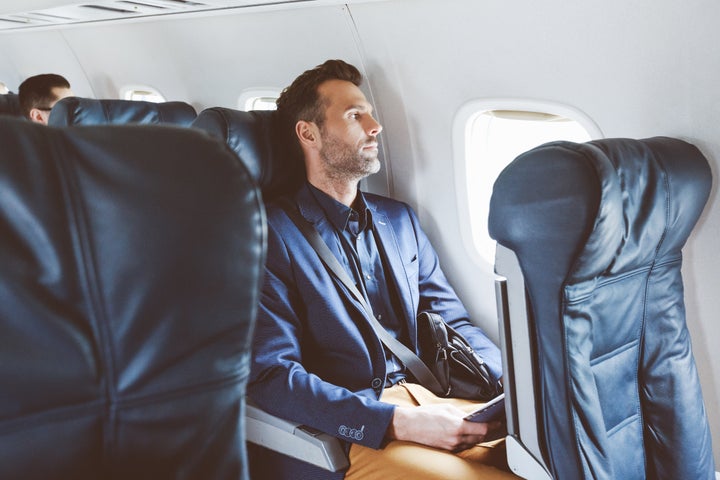
Planes see countless passengers every day, and frequently touched surfaces like tray tables, seat belts, armrests, and overhead bins are often handled without being disinfected between flights, allowing microbes to transfer to your clothing. Spending hours sitting near other passengers can also leave germs clinging to your clothes.
One habit I’ve adopted is tossing my airplane clothes straight into the wash as soon as I get home, which helps prevent germs from spreading to family or pets. This may seem extreme, but there are scientific reasons to wash travel clothes immediately.
Here’s what you need to know and why you should consider washing your travel clothes ASAP:
How germs circulate on planes
Planes may not be dirty per se, but germs, including bacteria and viruses, can be spread in many ways during a flight. Whether it’s rubbing your sleeve against the armrest or tablet, resting your head on the seat back, or waiting in line for the restroom, every interaction offers these little hitchhikers a chance to transfer onto your clothes.
“The air around us, and every other living thing we encounter, is surrounded by a small cloud of microbes, skin particles and dust particles, coming directly from our bodies or clothing,” said Karen Duusprofessor of microbiology and immunology at Touro University of Nevada. “As people gather, these little personal clouds mix, and some of it is exchanged and sticks to us or our clothes when we touch, brush against, sit or lie on different surfaces, pass by people, pets, animals and plants.”
Beyond surface contact, germs can also travel through the air when people breathe, talk, cough or sneeze, allowing infectious droplets to land on you.
“Respiratory viruses are the most common infectious diseases that can be transmitted on airplanes…and are the easiest to spread,” said Dr. Zachary Hoycertified pediatric infectious disease specialist from Pediatrix Medical Group in Nashville, Tennessee, referring to illnesses such as the flu, COVID, and the common cold.
Our shoes may also be responsible, as they pick up microbes from the floor as we move through airports and planes. Duus points out that anything we touch afterwards can transfer these particles to our hands, clothes or skin, and from there to our mouth, nose or eyes during everyday actions like eating, rubbing or scratching.

What Airplane HEPA Filters Can and Can’t Do Against Germs
According to the Centers for Disease Control and Prevention Yellow Book on Air TravelAir quality from airplanes is actually better than most people think. Commercial jets mix outside air with recirculated air that passes through HEPA filters, which capture approximately 99.97% of particles 0.3 microns or larger, significantly reducing the risk of airborne illness.
“It’s less likely that particles can land on passengers’ clothing thanks to HEPA filters, and airline air is exchanged much more frequently in the cabin than in offices or other buildings,” Hoy said. “But there are times when the air exchange doesn’t work, like getting off and on from the plane and waiting on the runway.”
It’s also worth being aware of your surroundings when sitting at the boarding gate, where you’re likely breathing unfiltered air shared with other travelers.
Dr Annie DePasqualeboard-certified family physician and founder of Collaborating Docs, added that while HEPA filters significantly reduce airborne particles, they can’t stop all types of transmission, especially when you’re sitting near a sick person.
“The risk of transmission increases within a row or a meter or so,” she explains. “Coughing and sneezing can still send droplets onto your sleeves, knees or scarf, even with strong cabin filtration in place. »
What are the real risks of germs on your clothes?
“A few tough bacterial and fungal spores, parasite cysts, worm eggs and protein-coated virus particles can potentially last for months or even years if they are not removed by soap and water, neutralized or wiped away with disinfectants, or washed away in laundry,” Duus said, noting that some are particularly resistant to temperature changes, humidity and even common disinfectants like gels and alcohol wipes.
“The vast majority of these microbes that we come into contact with are either harmless or neutralized by the antimicrobial compounds found on our skin, tears, saliva or oral and upper respiratory mucous membranes,” Duus said. “However, they sometimes sneak in and can potentially cause infections if your immune system doesn’t respond to them before they start replicating rapidly.”
In general, viruses that can cause respiratory illnesses can remain on surfaces for several hours to several days. The Mayo Clinic states that a virus’s survival rate depends on a few factors, including indoor climate and environment as well as the type of surface the virus lands on. Some viruses “remain more contagious on tissues,” according to the organization.
Textiles can act as fomites, DePasquale added, referring to inanimate objects or surfaces, like clothing, bedding or seat cushions, that can transmit infectious viruses or bacteria, usually at low levels, to hands and then to doorknobs, counters and sofas. “The risk is lower than airborne spread but not zero.”
The Smart Habit Every Traveler Should Adopt After Landing
To minimize the spread of germs after a flight, especially if anyone in the home is elderly, pregnant, very young, or immunocompromised, remove your airplane clothes as soon as you get home.
“Put travel clothes directly into a basket or washing machine. Avoid shaking items that can disperse particles,” DePasquale said, adding that you should wash your hands immediately afterward. Wash clothes with detergent and warm or hot water if fabric permits, and tumble dry on warm or high heat. “Heat and detergents effectively inactivate many microbes,” she said.
When it comes to pets, DePasquale explained that while it’s rare for humans to transmit infections to their furry companions through clothing, it’s always a good idea to remove your travel clothes and wash your hands before close contact.
There are also often overlooked steps that can help reduce the spread of germs, like disinfecting your phone, carry-on handles and straps, and reusable tips for water bottles. “These are very sensitive travel items that often come into contact with seats and toilets,” DePasquale said.
You can go further by taking a shower before putting on clean clothes. “(It) quickly removes anything that got on the skin and hair during the trip,” she added.
As there are always risks when flying, improve your chances of staying healthy by making sure you wash your hands after using the toilet and before eating.
“Before you travel by plane, you can assess yourself and your family to see if anyone is sick and possibly delay travel,” Hoy said. “When you are sick or have recently been sick, there is a period of immune recovery during which you may be at higher risk of exposure to infection during air travel.”
The original version of this story was published on HuffPost earlier.
Gn Health