

When we talk about longevity medicine, the goal is not just to live longer, but to spend more years in good health. For women, this distinction reveals a familiar paradox: They live longer on average than men, but spend more years living with chronic illnesses and disabilities.
An important part of the explanation, and potentially part of the solution, lies in the years around age 50. Yet while conversations about longevity are filled with supplements, biological age tests, and ice baths, menopause is barely mentioned. It’s time to connect the two.

Menopause is not a disease, but its effects on health and quality of life deserve attention.
(Photo: Shutterstock)
A review published at the beginning of October in the journal Science, as part of a special issue devoted to women’s health, makes precisely this connection. Researchers from Professor Liisa Galea’s group in Toronto describe menopause as a turning point in aging, a hormonal transition whose effects extend well beyond the reproductive system to the brain, heart, bones, muscles and metabolism.
Medically, menopause is defined as 12 consecutive months without periods and occurs at an average age of 51 years. But the surrounding transition, during which estrogen and progesterone levels decline, can last up to a decade.
The link to longevity begins with a simple fact: women spend approximately 40% of their lives after menopause. What happens during these years can therefore have consequences on a substantial part of their lives.
There is also the rate of aging. According to the review, menopause is associated with an acceleration of biological aging clocks, measurements used to estimate whether the body is aging faster or slower than its chronological age. During this period, bone density and muscle mass decrease, while fat increasingly accumulates around the abdomen and internal organs. It is precisely these processes that longevity medicine seeks to slow down.
 Dr Nitzan AnuPhoto: Ofer Hajayov
The timing of menopause and the severity of its symptoms can also offer clues about future health. Early menopause is associated with higher risks of dementia, heart disease, osteoporosis and mortality. Severe hot flashes, particularly at night, have been linked to poorer memory and cognitive performance, as well as early signs of brain changes detected by blood tests and images.
The review rightly calls for caution. Researchers still cannot determine which of these relationships are causal and which reflect other underlying processes. Still, the practical message is important: menopausal symptoms can provide early information about future health risks, beyond the discomfort they cause.
Timing is especially important when it comes to brain health. Alzheimer’s disease, for example, can begin developing in the brain decades before diagnosis. Menopause falls within this window, when there may still be opportunities to influence long-term health outcomes.
What do we do with this opportunity? Far too little.
Up to 72 different symptoms have been linked to menopause, ranging from hot flashes to “brain fog,” a term describing difficulties with memory and concentration that up to 80 percent of women report experiencing. Effective treatments are available, but fewer than 15% of women with menopausal symptoms receive treatment.
Research funding is also remarkably limited. Over a 15-year period, only 0.2% of federal funding for health research in North America was dedicated to this topic. Canadian data suggests that approximately one in ten women leave the workforce due to menopausal symptoms. Most of these figures come from the United States and Canada; the journal does not provide equivalent Israeli data.
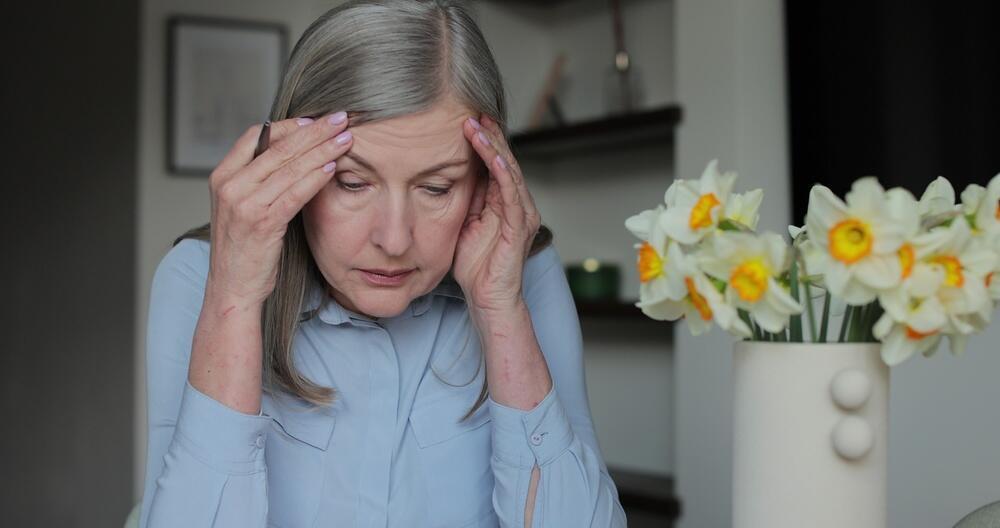
Brain fog, including difficulty with memory and concentration, is reported by up to 80% of women.
(Photo: Shutterstock)
For years, menopause was considered the end of a life stage. Today, it must be understood as the beginning of its second half. If women only receive medical care after their quality of life has deteriorated significantly or after decline in bone density and cardiovascular health has already begun, an important opportunity for earlier intervention may be lost.
As doctors, we believe that women’s health care needs to become more proactive. Conversations should begin during perimenopause, before menopause itself, allowing each woman to develop an individualized plan designed to preserve her physical function, vitality and quality of life for decades to come.
Part of the explanation for low treatment rates is fear surrounding hormone therapy.
In 2002, the publication of the results of a major American study, the Women’s Health Initiative, established a link between hormone therapy and breast cancer, heart disease and dementia. Prescriptions then fell by more than 60%.
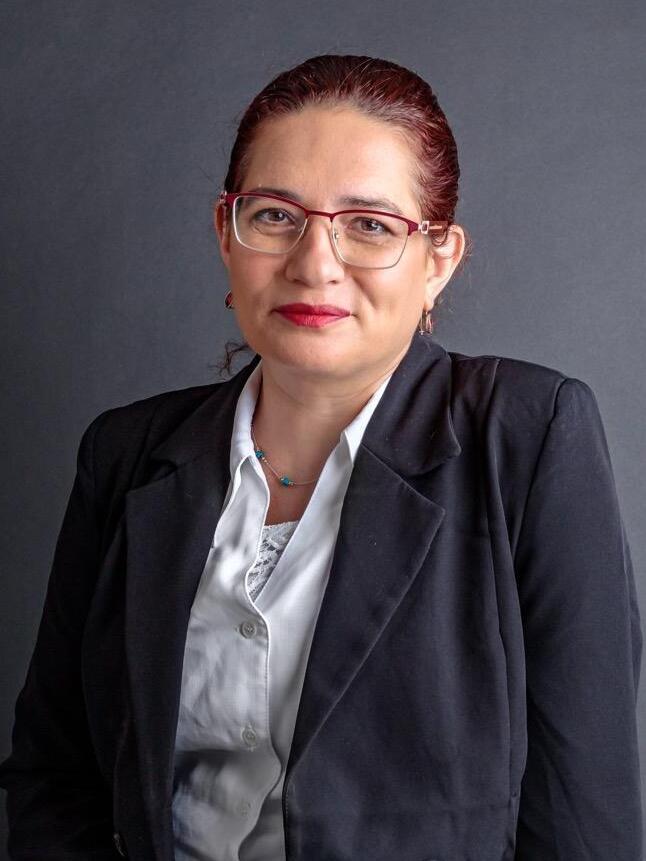 Dr. Vered KleitmanPhoto: Adi Azran
However, the study looked at a specific form of oral hormone therapy in women who were, on average, older and more than a decade past the typical age of menopause. The increased risk of breast cancer was associated with a particular combination involving a synthetic progestin rather than estrogen alone.
According to the journal Science, more than 200 formulations of hormone therapy are now available, differing in hormone type, dosage, delivery method and schedule.
Estrogen delivered through the skin, using patches or gels, for example, is associated with a two to four times lower risk of blood clots than oral estrogens. That’s why asking whether hormone therapy is dangerous is a bit like asking whether blood pressure medications work. The answer depends on the drug, the patient, and when treatment begins.
The one-size-fits-all approach is no longer appropriate. The availability of different formulations, including transdermal and topical treatments with carefully adjusted doses, allows doctors to tailor care to each woman’s symptoms, medical history and individual risk profile.
For women suffering from hot flashes and trouble sleeping, appropriate treatment can provide substantial relief and help regain a sense of control and confidence in their body.
Regulatory approaches are also evolving. In 2025, the U.S. Food and Drug Administration (FDA) announced a decision to remove certain important warnings regarding menopausal hormone therapies, warnings introduced following earlier findings of the Women’s Health Initiative.
The decision remains controversial. The International Menopause Society supports removing these warnings for topical hormone treatments, but not for systemic therapies that affect the body as a whole.
It is equally important to avoid exaggerating the benefits. Hormone therapy is not a miracle anti-aging treatment, nor is it suitable for all women. It remains the most effective established treatment for hot flashes and can reduce the risk of fracture by 20-40%.
However, randomized controlled trials comparing hormone therapy to placebo have not shown that it improves memory or cognition or protects against heart disease.
For women who cannot or prefer not to use hormones, non-hormonal treatments for hot flashes are also available. The central message of the study is one of personalized care, not a blanket recommendation that every woman should receive hormone treatment.
Healthy aging can be understood as a form of compound interest: relatively modest decisions made at age 45 can turn into substantial differences at age 80. Menopause may be one of the clearest examples of this.
It’s a decade in which sleep, bone health, muscle mass, blood vessels and brain function undergo significant changes. Women who navigate these years with reliable information, appropriate monitoring and individualized treatment can enjoy health benefits that last for decades.
The ultimate goal of longevity medicine is not simply to increase life expectancy, but also to reduce the number of years spent living with disease toward the end of life. For women, much of this work begins during the transition to menopause.
To achieve this, the review authors offer a simple comparison: just as pregnancy and childbirth are the subject of structured medical monitoring, menopause should also be treated as a major life transition worthy of coordinated medical attention.
This requires real continuity of care between gynecologists and primary care physicians. It also means recognizing the full spectrum of menopause symptoms, including changes to sleep, emotional well-being, memory and cognition.
Three measures should form the basis of this approach. The first is proactive communication. Every woman approaching age 45 should receive information from the health system to help her understand the changes she may experience.
The second is professional training. Primary care physicians should become familiar with the full spectrum of menopausal symptoms and available treatments, rather than focusing exclusively on hot flashes or a single medication.
The third is measurement. A health system capable of tracking diabetes management should also be able to measure how many women with menopausal symptoms receive appropriate assessment and treatment.
Menopause is not an illness and there is no need to “cure” it. But it’s not just another birthday either. Any serious debate about longevity that neglects menopause misses one of the most important opportunities to protect the long-term health of half the population.
Dr. Nitzan Anu is Director of Longevity Medicine at Maccabi Healthcare Services. Dr. Vered Kleitman is a gynecologist and director of women’s health at Maccabi Healthcare Services.
Gn Health