Harare, Zimbabwe – When Shaun Moyo began treating at Parirenyatwa Hospital in Harare in the late 1990s, the effects of the HIV epidemic were visible on hospital wards and beyond. Patients filled the wards, she recalls, as funerals became a familiar part of daily life.
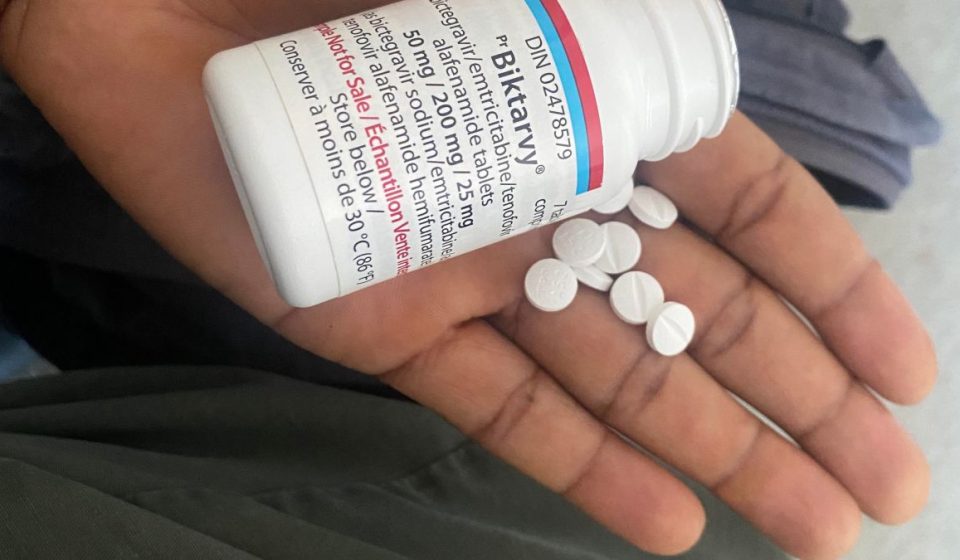
Nearly three decades later, the situation has changed. Antiretroviral treatment has transformed the lives of people living with HIV. Condoms, pre-exposure prophylaxis (PrEP), post-exposure prophylaxis (PEP), and other prevention options also give young people more ways to protect themselves.
But Moyo, now a 48-year-old nurse working shifts at two major public hospitals in Harare, fears that some young people do not fully appreciate the risks.
His concern reflects a broader challenge for Zimbabwe: how to protect hard-won gains against HIV while ensuring that young people understand, can access and are willing to use the prevention tools available to them.
Dr Misheck Ruwende, a Zimbabwean family physician and advocate for reducing HIV stigma, shares this concern. In a public address on Twitter in September, followed online by Al Jazeera, members of the public and other local journalists, Ruwende warned that the country risked losing some of the gains made over decades.
“The sad thing is that this comes at a time when we have the best options to prevent HIV, from rapid tests, PrEP, condoms, PEP to injectables,” Ruwende said.
“That wasn’t the case in the late ’90s and early 2000s. It seems like we’re reversing all the huge successes we’ve had in recent times,” he added.
The scale of Zimbabwe’s progress is evident in the national figures. UNAIDS estimates that new annual HIV infections have fallen from 79,000 in 2010 to 15,000 in 2023. Among people aged 15 to 24, infections have declined from around 27,000 to 4,400 over the same period.
But the decline in infections does not mean the threat has disappeared. The challenge is to sustain these gains among young people facing relationships, economic pressures and unequal access to youth-friendly health services. It is a challenge shared by a region that continues to carry a heavy burden of HIV.
A generation that has forgotten fear
For Moyo, the contrast between the epidemic she witnessed as a young nurse and the attitudes she faces today can be difficult to accept.
“Seeing young people today who are lucky enough to have condoms, ARVs and PrEP drugs makes me furious,” she said. “In the 90s, every weekend was a hike to cemeteries, not weddings.”
She believes the availability of effective treatment has changed the way some young people view HIV. Because the virus is no longer an immediate death sentence as was once widely understood, she worries that some underestimate the consequences of infection.
Moyo recalled conversations involving her son and his friends on Facebook, where one comment suggested that “blood pressure is worse than HIV.”
His observations are personal, not scientific, evidence of changing attitudes among young people. But they highlight a difficult public health task: explaining why prevention remains important even if treatment has made HIV a manageable chronic illness for many.
The concern is not limited to Zimbabwe. UNAIDS estimates that 210,000 adolescent girls and young women aged 15 to 24 contracted HIV globally in 2023. Some 160,000 of these infections occurred in sub-Saharan Africa, while almost 60% of the global total occurred in eastern and southern Africa.
A regional alert
South Africa, Zimbabwe’s neighbor, illustrates the continuing scale of the epidemic in the region. UNAIDS estimates that 7.7 million people there were living with HIV in 2023.
Data from Gauteng province also shows concerns over sexually transmitted infections. Between April and December 2023, 167,109 men attended public health facilities in the province and 67,400 were treated for male urethritis syndrome (MUS), associated with sexually transmitted infections. The provincial Ministry of Health reported that the incidence of MUS increased from 12 percent in 2020 to 15 percent in 2023. This disease in itself is not a measure of HIV infections.
For Dr Linda-Gail Bekker, a South African physician-scientist specializing in HIV and co-author of the report on the PURPOSE 1 clinical trial, the response must combine scientific advances with prevention messages aimed at young people.
The phase 3 trial looked at lenacapavir, an injectable HIV prevention drug given twice a year. In its primary analysis, none of the 2,134 women who received the drug contracted HIV.
The results highlighted the potential for long-acting prevention, but Bekker argues that medical advances must be accompanied by communication that resonates with young people.
“Beating the old drum about the horrors of HIV and shouting at young people about condoms will not necessarily be enough,” she said.
She believes prevention efforts must go beyond fear-based messages and give young people accurate information, accessible services and the freedom to make informed decisions without judgment.
Reach young people differently
This task has become more difficult due to financial pressures. UNAIDS reported in March 2025 that disruptions to US-funded HIV programs in Zimbabwe had affected services for key populations, including access to PrEP, testing and counseling.
Bekker also questioned whether prevention information was reaching young people in the ways they deemed relevant. Traditional pamphlets and warnings about abstinence or fidelity may fail to engage those who are already making decisions about sex and relationships.
She argues that public health workers must recognize the realities of young people and provide practical information on risk reduction, including through PrEP. Services should also be teen-friendly, allowing them to ask questions and seek help without feeling judged.
In Harare, Angela Gutu, a 23-year-old peer educator, is taking this message beyond the clinic.
Working with Harare Municipality, the Ministry of Health, non-governmental organizations and churches, it helps organize pop-up health services at markets, transport hubs, university campuses and sporting events. These are places young people already visit, bringing information and services closer to them rather than expecting them to navigate a formal health facility.
The distinction is important, Gutu says. For some young people, seeking an HIV test or a sexually transmitted infection test at a clinic can be intimidating. Fear of judgment or harsh treatment from health workers may discourage them from seeking help.
At pop-up clinics, young people can access HIV self-testing kits and condoms, while mobile health workers refer them to PrEP and other services. Peer educators can help make these conversations less intimidating, giving young people the opportunity to ask questions in an environment where they feel more comfortable.
“It’s about speaking youth lingo and removing HIV stigma,” Gutu said.
His work reflects a growing recognition that providing prevention services is not enough. They must also be accessible, confidential and responsive to young people’s concerns.
Taking healthcare beyond hospitals
Zimbabwe’s health authorities say they are also working to bring prevention and treatment closer to communities.
Dr Innocent Hove, provincial medical officer for Harare Metropolitan Province, told journalists including Al Jazeera at a meeting in August that tackling HIV among young Zimbabweans was an urgent priority.
The government is decentralizing services, including PrEP, PEP, HIV testing and treatment, and testing and treatment for sexually transmitted infections and tuberculosis.
Hove also highlighted that mobile health care trucks are being used to reach people in areas where conventional health facilities are difficult to access, including informal mining communities and remote artisanal gold mining sites.
Such an approach could help people whose work, distance from clinics or financial situation make regular visits difficult. But its impact will depend on the constant availability of services and their ability to reach those who need them most.
For young people, access means much more than knowing that PrEP or HIV testing exists. This means being able to obtain services without prohibitive costs, long journeys and fear of stigma.
Bongani, who plans to volunteer as a peer educator through the Ministry of Health’s program in January, wants to help make prevention information more accessible to his generation.
“My generation was born with the best set of HIV prevention tools. It would be a tragedy if AIDS deaths made a dramatic comeback due to our reckless behavior,” he said.
Gn Health