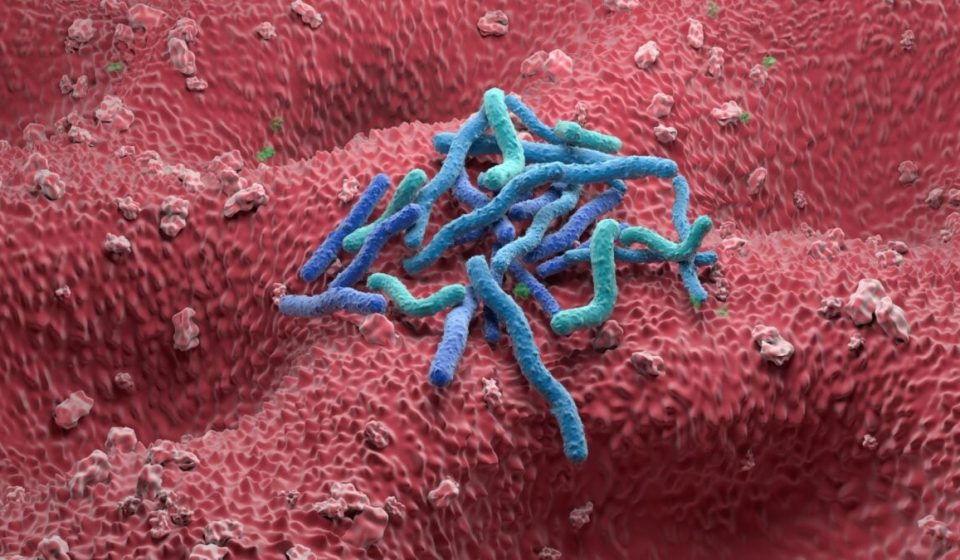

Some infections can take a toll on our bodies long after their first episode of illness. Research released this week shows that infectious diseases contribute to millions of new cases of cancer each year.
Researchers from the World Health Organization examined the cancer burden of a dozen different infectious diseases, including human papillomavirus (HPV) and HIV. Collectively, they calculated, these diseases helped cause about one in eight cases of cancer in 2024. Many of these infections are preventable and/or treatable, underscoring the value of effective screening and infection control programs, the researchers say.
A cancerous burden
Scientists have long known that certain infectious diseases can increase the risk of cancer. Several types of HPV, for example, are responsible for the vast majority of cases of cervical cancer, although they also contribute strongly to several other types of cancer seen in women and men.
The International Agency for Research on Cancer, the specialized cancer division of the WHO, has included 13 infectious pathogens in its list of Group 1 carcinogens, the category used for substances for which there is the strongest evidence demonstrating their ability to cause cancer. And IARC has periodically attempted to quantify the extent of cancer these diseases cause, with the last tally occurring in 2018. This latest update is the most comprehensive to date, the authors say, and incorporates more recent research into the carcinogenicity of infections like HIV and Merkel cell polyomavirus (MCV).
This time, researchers analyzed the burden of 12 infections: HPV, HIV, hepatitis B and C, Epstein-Barr virus, Kaposi’s sarcoma-associated herpesvirus, also known as human herpesvirus 8, human T-cell lymphotropic virus type 1 (HTLV-1), and MCV; the bacteria Helicobacter pyloriknown to cause stomach ulcers; and three parasitic worms, Opisthorchis viverrini, Clonorchis sinensisAnd Schistosoma hematobium. The only Group 1 pathogen not included in the analysis is hepatitis D, a strange satellite virus that can only infect people already infected with hepatitis B.
Ultimately, the researchers found, these diseases contributed to 2.3 million cancers in 2024, or about 12% of all cases that year. The heaviest loads came from H. pyloriwhich caused approximately 760,000 cases of cancer, primarily of the stomach, and HPV, which caused approximately 750,000 cases of cancer, primarily of the cervix. Hepatitis B has also caused more than 300,000 cancers and hepatitis C more than 100,000 cases, both primarily liver cancers. The team’s findings were published Tuesday in The Lancet Oncology.
The role of prevention and treatment
Some of these infections, like the Epstein-Barr virus, are essentially unavoidable for now. Yet many others are preventable or treatable.
There is now a highly effective HPV vaccine that can prevent the most common types of cancer, as well as a vaccine against hepatitis B, for example, for chronic cancer. H. pylori infections can be treated with antibiotics and chronic hepatitis C is now almost 100% curable with the latest antivirals. HIV pre-exposure prophylaxis is also very effective in preventing infection in those at highest risk of exposure, and prompt treatment of HIV can make it virtually impossible to transmit the virus to other people. And all three parasites can be treated with antiparasitic medications or prevented through better hygiene and food safety (these infections are usually acquired by eating raw/undercooked freshwater fish or drinking contaminated freshwater).
In other words, many of these cancer cases will probably never occur.
“The results highlight the major role that infection control can play in reducing the global burden of cancer,” said Harriet Rumgay, study co-author and scientist in the IARC Cancer Surveillance Branch, in an IARC statement.
Unfortunately, controlling these infections is a task easier said than done, even in wealthy countries like the United States. Although the HPV vaccine is widely recommended for everyone starting at age nine, vaccination rates are lower in the United States than in many similar high-income countries. And by 2024, only about 63% of U.S. adolescents were up to date on their HPV vaccinations, while countries like Denmark and Spain are expected to reach 90% coverage by the end of the decade. The hepatitis B vaccination rate is also likely to decline here, thanks to anti-vaccination advocate and current Health Secretary Robert F. Kennedy’s continued efforts to overturn the federal government’s recommendation for vaccination at birth.
As troubling as the situation in the United States is, researchers note that the burden of infection-related cancers is even greater in low- and middle-income countries.
Gn Health