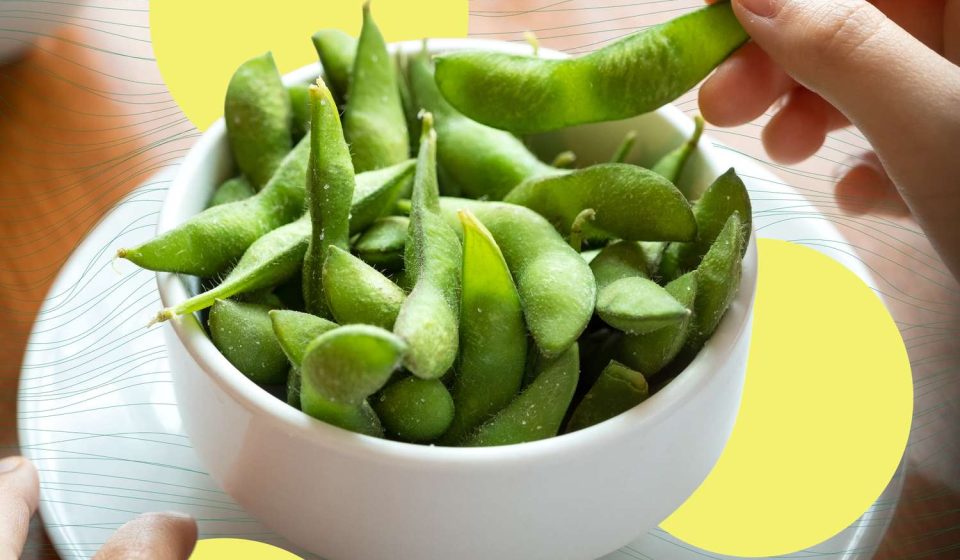

- Quinoa, edamame, lentils and chickpeas are foods rich in protein and good for gut health.
- They support digestion, satiety, and microbiome diversity for overall health.
- Incorporating these staple foods can help improve gut health and reduce the risk of chronic diseases.
Multitasking doesn’t have to only apply to work or household chores, it can also be helpful when trying to achieve your healthy eating goals. There are many ways to prioritize foods rich in many different nutrients, and this list is proof.
These foods are not only high in fiber alongside prebiotic and/or probiotic ingredients, they also contain over 6 grams of protein per serving (or more than that of a large egg!). Whether you incorporate these foods into your meals or eat them as a snack, they’re not only good for your gut, they also contain plenty of protein to keep you full and energized all day long.
1. Quinoa
Quinoa is not only a great base for grain bowls, salads or roast meats, it is also a protein-rich grain that also has benefits for gut health. Half a cup of quinoa contains about 8 grams of protein and 5 grams of fiber, making it a multi-faceted food.
“Its high fiber content makes it a great choice for gut health,” says Emily Lachtrupp, MS, RD. “It also acts as a prebiotic to support healthy gut bacteria and increase the diversity of the gut microbiome.” In addition, it is naturally gluten-free and therefore suitable for celiacs.
2. Edamame
We know and love edamame as a flavorful appetizer or snack, but it’s also a vegetable rich in protein and fiber. With 13 grams of protein and 6 grams of fiber per 1-cup serving, it’s easy to get plenty of powerful nutrients in one simple snack.
Soy foods, like edamame, may have beneficial effects on gastrointestinal health. Regular consumption of edamame has been linked to a lower risk of colorectal cancer, among other related benefits.
3. Lenses
Lentils are a tasty and nutritious food that has many benefits for gut health, including anti-inflammatory and antimicrobial properties. Plus, a half-cup of lentils contains nearly 9 grams of protein and 8 grams of fiber, an impressive concentration of satisfying nutrients.
Cook lentils in place of pasta in saucy dishes or use them in place of lettuce in salads. Whether green, red, black, or any other variety, lentils are a great choice for a protein-rich, gut-healthy food.
4. Chickpeas
Like many legumes, chickpeas are high in protein and fiber. Half a cup of chickpeas contains about 7 grams of protein and 6 grams of fiber, two nutrients that work together to improve satiety, muscle repair and digestion.
“I like chickpeas for gut health. The fiber in chickpeas allows gut bacteria to produce short-chain fatty acids (SCFAs), which help reduce inflammation,” says Lisa Valente, MS, RD. Not to mention, regular consumption of chickpeas can help reduce your risk of chronic disease. “Chickpeas also contain flavanols and polyphenols, including kaempferol, which may help reduce the risk of developing inflammatory bowel disease,” Valente said.
Add them as a meat substitute to your favorite dishes or add them to your salads. Plus, alternatives like chickpea pasta and chickpea wraps are easy ways to add more to your diet.
Other Tips to Support Gut Health
Incorporating these foods into your daily life can have great benefits for the long-term health of your gut, but here are other ways to prioritize your gut health:
- Take your steps: Incorporating movement into your day can have a beneficial impact on your digestive health. Research suggests that exercise can increase beneficial gut bacteria and increase microflora diversity. Taking walks after meals or early in the morning can help not only get your body and muscles moving, but also your digestive tract.
- Keep track of water consumption: Drinking enough water is very important for your gut health, especially if you currently eat a lot of fiber-rich foods. Not only does it help reduce constipation, but it can also help increase your gut microbiota. Using a reusable water bottle or tracking the number of cups of water you drink daily can make it easier to stay hydrated.
- Focus on fermentation: Fermented foods have long been touted as powerful tools for gut health, and for good reason. Foods that have been fermented (like kimchi or kefir) contain millions of “live” prebiotics or probiotics, and these can beneficially increase healthy bacteria in your gut.
Our expert opinion
Making sure you’re getting enough protein, fiber, and other gut-healthy nutrients just got easier with these simple, everyday foods. Incorporating quinoa, edamame, lentils, and chickpeas into your diet not only ensures you’re getting enough protein, but regular consumption can also help support your gastrointestinal and digestive health. Consider purchasing these staples at the store during your next grocery trip—your instincts will surely thank you.
Gn Health