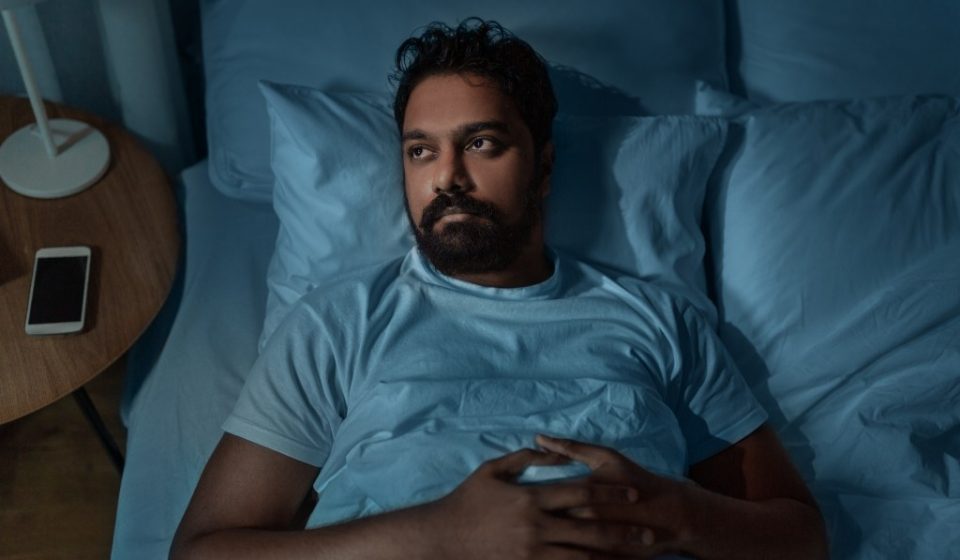

Depressive symptoms may seem similar, but there are various underlying causes.
Although depressive symptoms like fatigue, low mood, or low energy may look the same in many people, this complex illness can be caused by a combination of factors leading to different subtypes of depression.
Recent research has identified a new subtype that may be driven by the body’s internal clock, disrupting sleep and creating a perpetual state of jet lag.

Because depression is caused by several factors, researchers have looked at biological issues that might be causing the symptoms, including the circadian rhythm or clock.
The circadian clock is the body’s internal 24-hour rhythm, which manages hormones, digestion, mood, and sleep-wake cycles.
“When it’s off, you feel jet lag all the time,” lead researcher Ian Hickie told ScienceAlert. “You feel tired, exhausted, you gain weight, you can’t concentrate, you sleep poorly and your behavior changes.”
The study, published in the British Journal of Psychiatry, found that one in four depressed people could suffer from “circadian depression” caused by a dysregulated body clock.
Examining data from 11,380 participants in the ongoing Australian Genetics of Depression Study, researchers found that a quarter of participants met at least three of the six criteria defining the circadian depression subtype.
The first is that symptoms will change with the seasons, due to longer days and shorter natural light.
The second criterion is that sleep half (the exact time halfway between when one falls asleep and when one wakes up) is delayed compared to the general adult population, or approximately between 2 and 4 a.m.

People with circadian depression also experience social jet lag, with their sleep midpoint differing by several hours on work days compared to non-work days. This means that their sleep patterns don’t match the typical timing that society is designed around.
A fourth criterion is having an evening chronotype, which previous research suggests may lead to more depressive symptoms due to an increase in poor decisions and impulsive behaviors the longer the person stays up.
The last two criteria showed that participants would sleep longer than average, if given the opportunity, and reported feeling very tired in the morning.
The research also found that participants with circadian depression experienced more side effects from antidepressant medications and found the treatments less effective.
“Depression is not a uniform disease and understanding the characteristics of different subtypes means we can give people faster access to treatments that will be most effective for them,” the author of the first study, Emiliana Tonini, told ScienceAlert.
The study found that people with the circadian subtype were more likely to gain weight during depressive episodes, had a higher risk of inflammatory and cardiovascular health conditions, and neurodevelopmental disorders, like ADHD.
They also experienced depression earlier and reported more severe symptoms, such as mania, psychosis and suicidal tendencies.
Since typical medications are less effective and this subtype is linked to the body’s internal clock, researchers suggest that treatments should instead target the circadian rhythm, using light therapy and melatonin.
Gn Health