France launches major release of oil and diesel reserves in response to US pressure – POLITICO

Berlin, on the other hand, was reluctant to release barrels, according to the population. “Germany and others don’t want to be used; they want to release stocks only for real reasons of security of supply,” one of them told POLITICO, speaking on condition of anonymity to speak candidly, like others in this article. Germany and France have the largest reserves of oil and petroleum products in Europe, according to official EU statistics.
“France wants to participate and respond to the request… it is clear that the EU will do something, as long as it manages to agree on something,” the second person said. They added that it was unclear whether the release would be jointly coordinated by the EU or carried out on a bilateral basis, given the “haphazard” approach of the United States, which has sent different requests to different countries. “This is a typical request from the United States: they do not go through normal official channels.”
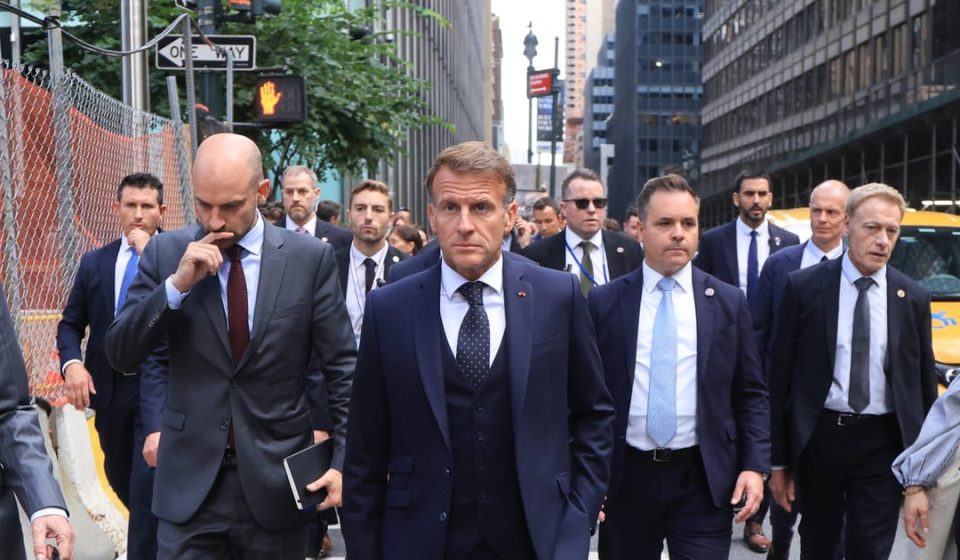
A spokesperson for French Economy Minister Roland Lescure called the proposal a “rumor” and declined to comment further. In a statement, the Elysée said Emmanuel Macron would convene a meeting of G7 leaders “as soon as possible to coordinate the necessary measures to help ease pressure on prices and ensure the supply of crude oil and refined products between G7 countries and globally.”
Macron had a telephone conversation with US President Donald Trump on Thursday evening to “discuss the global energy situation” and “ensure the global availability of refined products”, the Elysée said.
British officials expect a G7 meeting to be called as early as Friday, but immediate results are unlikely, according to a person familiar with the matter, who spoke on condition of anonymity to discuss sensitive fuel supply issues. Any European release of reserves would be led by the IEA, the source said.
The United States is increasingly frustrated with EU countries that have failed to meet their commitments to contribute to the release of 400 million barrels coordinated earlier this year by the International Energy Agency following the outbreak of war in Iran and the closure of the Strait of Hormuz. At the high-level meeting of the Energy Union Task Force on Friday, some EU countries also criticized France and Germany for their failure to release large oil reserves onto the market, according to one of the people present.
POLITICO reported Thursday that major EU countries and the United Kingdom wanted to respond to U.S. pressure with an “assertive” voice while seeking to deescalate the situation.
Nicolas Camut and Charlie Cooper contributed reporting.
Gn bussni