
From lunch to the office to dinner to bed: Doctors explain how sitting all day and walking less can damage your heart

How many times have you, after having lunch or dinner, immediately sat down at your desk, opened your laptop and got back to work? For many, this is what their workday looks like. But this seemingly harmless lifestyle could have bigger consequences on your body.
Read also | How do you know if you are heading towards burnout? A clinical psychologist shares 4 signs and tips for dealing with them
In an interview with HT Lifestyle, Dr Ajit Menon, Head of Cardiology Department at Sir HN Reliance Foundation Hospital, explained what it is. According to him, today’s workdays often start at the office, continue in the car and end on the couch.
Meanwhile, Dr Pravin Kulkarni, MBBS, MS (General Surgery), MCH (Cardiovascular and Thoracic Surgery), Director, CTS – Advanced Cardiac Surgery and Heart and Lung Transplant Program, Dr LH Hiranandani Hospital, also said that people are increasingly leading a lifestyle that involves prolonged sitting while working, commuting, watching TV or using smartphones. “Several studies have shown that too much sitting is associated with higher risks of heart disease, high blood pressure, diabetes and premature death,” he added.

Dr Ajit emphasized: “In order to get an idea of the impact such a lifestyle might have on a person’s cardiovascular health, we must first differentiate between three terms, which are interrelated but distinct: sedentary behavior, physical inactivity and atherosclerosis. »
Sedentary behavior, physical inactivity vs atherosclerosis
Dr Ajit noted that sedentary behavior is a pattern in which people spend their waking hours sitting or lying down and expend minimal energy working at their desk, driving, watching TV, or playing mobile games. “Physical inactivity is the absence of physical activity of moderate to vigorous intensity sufficient to meet health recommendations,” he added. You might spend 30 minutes a day doing physical activities, but spend the rest of the time sitting, which would be classified as physical inactivity.
In the meantime, Atherosclerosis is the progressive accumulation of fatty and fibrous plaques inside the artery walls. Dr Ajit explains: “Atherosclerosis occurs over the years due to the interaction of factors such as LDL cholesterol levels, blood pressure, diabetes, smoking, genetics, aging and inflammation. »
According to Dr. Ajit, if this process occurs in the coronary arteries, the blood supply to the heart may be diminished, leading to angina or an increased risk of heart attack. He stressed, however, that while there may be an indirect impact on certain risk factors due to lack of physical activity or sedentary behavior, sitting in itself cannot be considered a cause of “heart blockage.”
Moreover, physical inactivity or prolonged sitting generally involves low muscle activity and minimal energy expenditure. Therefore, he explained: “For some people, such a lifestyle leads to weight gain, poor blood sugar regulation, high blood pressure and an unhealthy cholesterol profile. All of these factors add up to an increased risk of heart disease, especially when accompanied by insufficient physical activity and other risk factors.”
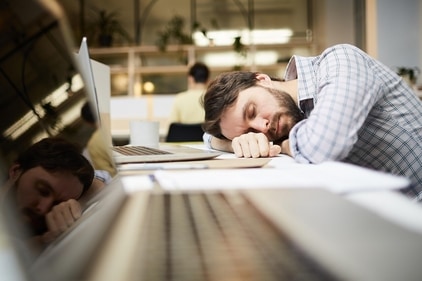
“Sitting for long periods each day could put individuals at greater risk of developing heart disease, even among those who are physically active,” Dr. Pravin said.
Do physical activity but intelligently
Physical activity has its benefits: it improves control of insulin sensitivity, blood pressure and triglyceride levels, decreases chronic inflammation and helps maintain a healthy cholesterol profile and weight, according to Dr. Ajit.
Dr. Pravin adds that while health experts emphasize that physical activity is essential, it’s also recommended to make an effort to break up prolonged periods of sitting. “‘Be active, move more and sit less’ is becoming a practical message about heart health,” he added.
Additionally, Dr. Ajit cautioned that one should remember that 30 minutes of exercise does not negate the adverse effects associated with sitting for the rest of the day.
“Although exercise and reducing sedentary behavior complement each other, the latter involves more activities like standing, walking while talking on the phone, going upstairs, walking after a meal, etc. Such techniques can be used by people, even those who regularly engage in physical activity,” he added.
How to actively avoid inactivity
“Simple activities like standing and moving for 5 minutes every 30-60 minutes can help reduce prolonged sitting. It is advisable to practice activities such as walking short distances at work, climbing stairs, walking while on the phone and refraining from watching TV continuously. These should be done alongside regular exercises, such as brisk walking, swimming or cycling,” suggested Dr Pravin.

Meanwhile, Dr Ajit highlighted that walking is particularly convenient as it does not require any special equipment and can easily be incorporated into daily routines. Further emphasizing: “Even the smallest activity can prove helpful to those who spend most of their time sedentary. While those with health concerns should first consult a professional.”
According to Dr. Ajit, for people who lead a sedentary lifestyle, it is necessary to gradually achieve the recommended level of moderate physical activity, because the process of developing coronary heart disease is not a spontaneous process but rather takes years of interaction of various factors such as cholesterol levels, blood pressure, diabetes, smoking, genetics, age, inflammation, nutrition, physical activity, etc.
Furthermore, in this context, a sedentary lifestyle and leading a physically inactive lifestyle can be seen as “elements that could be modified to minimize the risks of developing coronary heart disease, rather than evidence of having developed an arterial obstruction.”
“So instead of saying ‘exercise more,’ it’s important to say ‘move more, sit less, and reduce your cardiovascular risks.’ What you need to do is incorporate movement into your entire day rather than having a separate exercise appointment. Your heart benefits from both regular physical activity and a reduction in long, uninterrupted periods of sedentary behavior,” Dr. Ajit said.
Ultimately, Dr. Pravin points out, while regular exercise is essential, sitting less and moving more can also be good for the heart.
Note to readers: This article is provided for informational purposes only and is not a substitute for professional medical advice. Always seek the advice of your doctor with any questions you may have regarding a health problem.
Gn Health