Can two people of the same age have bodies that age at different rates? Yes. And what they eat could be one of the factors influencing this difference.
A new study published in Nature Communications examined 10 established dietary patterns to understand their link to biological aging. Researchers found that people who followed healthier eating habits tended to show signs of slower aging at the molecular level.
What’s interesting is that no single diet has emerged as the solution. Mediterranean, DASH, Nordic, and several plant-based dietary patterns have all shown beneficial associations. The researchers also found that diets with different dietary recommendations appeared to influence some of the same biological processes.
Biological aging is different from your age in years
Your age in years doesn’t necessarily tell you everything about your health. Biological aging looks at what’s happening inside your body, including changes at the cellular and molecular levels.
For this study, the researchers looked at DNA methylation. These are chemical changes to DNA that help regulate how genes work. Diet and other environmental factors may be associated with changes in these patterns.
Scientists can use DNA methylation data to estimate biological age and how quickly a person ages. For this research, scientists compared the biological aging patterns of people with different eating habits.
Read also: Evvai and Tuju become the first Latin American restaurants to obtain 3 Michelin stars
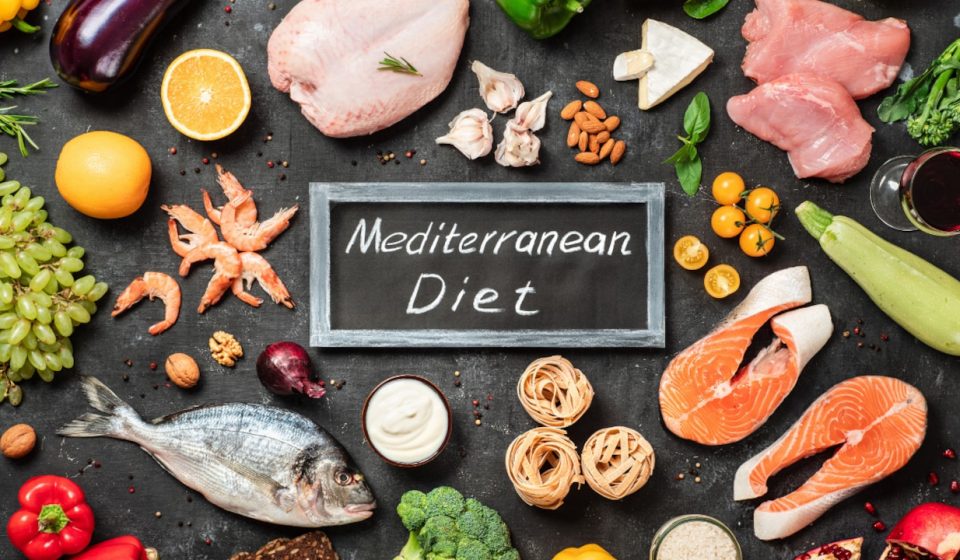
The 10 diets included in the study

Photo: Canva
The researchers first analyzed data from 6,470 participants in the Rhineland study in Germany. Participants ranged in age from 30 to 95 years, with an average age of 56.3 years.
The study compared 10 dietary scores, including the Mediterranean diet, DASH, MIND, the Alternative Healthy Eating Index (AHEI-2010), the Nordic diet and the EAT-Lancet diet.
The researchers also looked at three plant-based diet scores: the Plant-Based Diet Index (PDI), the Healthy Plant-Based Diet Index (hPDI), and the Unhealthy Plant-Based Diet Index (uPDI). The tenth was the Dietary Inflammatory Index (DII), which measures the inflammatory potential of a person’s diet.
These scores do not describe all diets in the same way. Some look at the extent to which a person’s eating habits follow an established eating pattern. Others are interested in the quality of plant-based foods or the inflammatory potential of dietary choices.
Read also: How to Introduce Falafel, Baba Ganoush and More into Your Indian Kitchen
The main conclusions

Photo: Canva
Researchers found that people with higher healthier diet scores generally had lower biological age acceleration and a slower rate of aging. The associations were observed in Mediterranean, DASH, MIND, AHEI, Nordic and healthy plant-based diets.
The opposite was generally true for the unhealthy plant-based diet and the dietary inflammatory index. Higher scores on these profiles were associated with less favorable aging markers. There were some differences in the strength of these associations.
The DASH and Nordic diets showed particularly consistent results. Both were associated with lower values in all three measures of biological aging in the Rhine study.
The study also shows that eating plant-based and eating healthily are two completely different things. The researchers looked at overall plant-based diet, healthy plant-based diet, and unhealthy plant-based diet separately. And the results were not the same.
Different diets, similar effects on the body
The researchers also wanted to understand what was happening at the molecular level. They looked at around 850,000 DNA methylation sites and found that the different dietary patterns were associated with very different sets of DNA methylation markers.
However, the biological pathways associated with these markers overlap by more than 70%. These included processes involved in cellular structure, cell signaling, metabolism and neurogenesis, that is, the formation of new neurons.
The DASH diet was also linked to pathways involved in heart valve development, while the MIND diet showed associations with cognition, learning, memory and the development of nerve connections.
This shows that different diets can influence different molecular markers while being associated with some of the same processes in the body.
Generally speaking, eating healthily slows epigenetic aging, but no diet came out on top in this study. Mediterranean, DASH, Nordic, and healthy plant-based diets are all beneficial. Although their dietary recommendations differ, they all focus on nutrition.
Gn Health