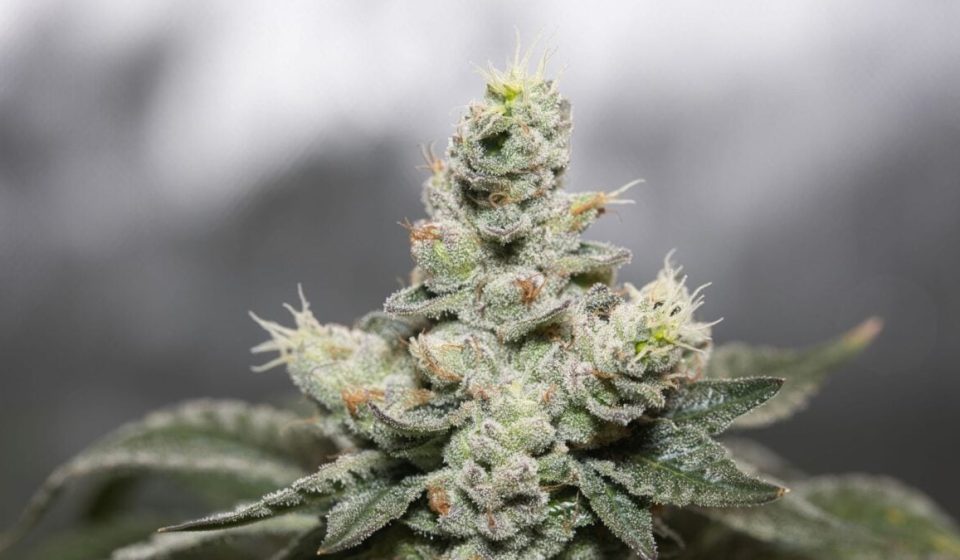

Cannabis has arguably become the most popular recreational drug in the United States in recent years – and more Americans now use it daily than cigarettes and even alcohol. However, research conducted today highlights a possible dark side of frequent cannabis use, at least for some people: a higher risk of worsening seizures.
Researchers at Washington University School of Medicine in St. Louis studied people with treatment-resistant epilepsy and found that people who reported frequent cannabis use were more likely to have severe seizures, while progression to severe epilepsy was also significantly faster in this group. The findings, while not strong evidence of cause and effect, merit more study and possible caution regarding cannabis in people with epilepsy, the researchers say.
“These results highlight the need for clinical screening and prospective studies to assess the impact of cannabis on seizure outcomes,” the researchers wrote in their article published Monday in the journal Epilepsia.
The cannabis effect?
The researchers were motivated to conduct this research by their experiences and those of other colleagues in the clinic. They began seeing an increasing number of patients with severe epilepsy who seemed to have nothing in common other than frequent cannabis use. This made them curious enough to dig deeper.
The team reviewed the medical records of people with drug-resistant epilepsy, meaning their condition did not respond to at least two anti-epileptic medications. They specifically looked at people who entered an epilepsy monitoring unit at the University of Wisconsin School of Medicine and Public Health between 2019 and 2024 (several study authors had previously worked there). These inpatient units are used to evaluate people with stubborn cases of epilepsy under close supervision to determine the best treatment.
In total, they studied 64 patients. Twenty-two people reported frequent cannabis use, defined as using the drug at least 20 times per month, and the researchers compared them to 42 non-users.
Frequent cannabis users were more likely to have epilepsy with focal to bilateral tonic-clonic seizures, a severe seizure type, than non-users (90% vs. 57%). They also had these severe seizures more often and took more anti-epileptic drugs on average. And it took less time for these patients to need specialized care than non-users, a sign that their conditions worsened more quickly. On average, frequent cannabis users were admitted to the unit five years after the onset of their epilepsy, compared to 18 years for non-users.
What should this mean for epilepsy patients?
This study is observational, meaning it cannot demonstrate a clear cause-and-effect link between cannabis use and epilepsy. It also relies on a small sample of patients who self-reported their level of cannabis use, which further weakens the conclusions that can be drawn from this data. At the same time, the authors say there is enough disturbing evidence to warrant further research on the topic.
There is actually an FDA-approved cannabis-derived treatment…Epidiolex—used to manage certain types of seizures. But what is important is that Epidiolex is only made from cannabidiol (CBD), one of the two main active compounds in cannabis and not the other, THC. And the team strongly suspects that THC may be the main culprit behind this worrying trend.
Researchers note that today’s recreational cannabis contains much more THC on average than products of the past. There is some evidence, the authors say, that chronic high THC consumption may alter brain signaling, particularly in the hippocampus, in ways that make the development of severe temporal lobe epilepsy more likely.
“Essentially, THC can suppress the brakes in the hippocampus, which can lead to seizures,” lead study author Aaron Struck, an adult epileptologist at WashU Medicine, told Gizmodo.
THC might also weaken the effectiveness of anti-seizure medications, researchers say, and people who use cannabis all the time might also be more likely to forget to take their medications as often, offering another possible explanation.
The study also found that people who reported using cannabis for the first time in the past decade were quicker to develop seizures afterward than those who started two or more decades ago. This may be another clue that high-THC products today are driving this recent trend, although this finding should be viewed with caution for now due to the small number of people and the use of self-reports, the researchers wrote. That said, other studies have pointed to a higher risk of health problems from high-THC cannabis, including changes in the brain.
The team is currently working on a larger, more proactive study that will include a wider diversity of people with epilepsy, including from areas of the country with different models of cannabis legalization. They also plan to objectively measure people’s cannabis use, for example through blood tests for THC.
For now, there are still more questions than answers about the link between cannabis and epilepsy. But it might already be prudent for people at risk for epilepsy to moderate their cannabis use, Struck said.
“The main thing to remember is not to ignore cannabis use in epilepsy or assume that it is beneficial,” he said. “It is worth discussing with a treating physician whether stopping or reducing THC may benefit your care. If it is used for pain, insomnia, anxiety/depression, it may be worth considering alternative therapies both pharmacological or behavioral, such as meditation or exercise.”
This article has been updated with comments from one of the study authors.
Gn Health