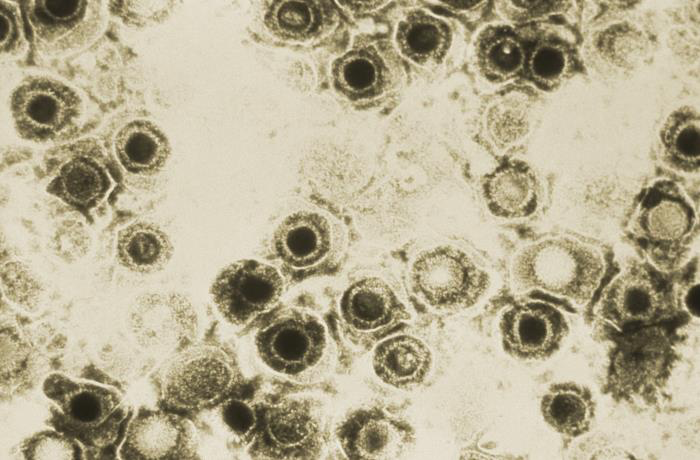
The herpes virus appears to hijack the brain’s immune cells and this could have serious consequences: ScienceAlert

For many, the herpes virus is a ubiquitous pest that causes painful and unsightly blisters.
But the truth is far more concerning than any crusty cold sore.
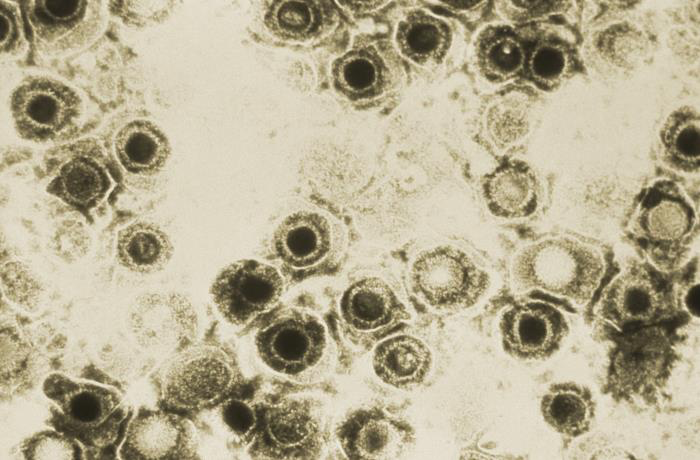
Research shows that the herpes simplex virus (HSV-1) can infect the brain and nervous system, where it is involved in triggering Alzheimer’s disease, even doubling your risk of dementia.
For a virus that affects billions of people, it’s critical that we learn more about how HSV-1 infection works, and scientists have just discovered a new piece of the puzzle.
In a study in PLOS PathogensResearchers have found that HSV-1 can essentially reprogram immune cells called microglia in the brain, and that its effects could help explain how the virus contributes to the inflammation seen in diseases of cognitive decline.
Microglia are specialized immune cells that continually monitor and maintain the brain by detecting threats, removing dead cells and damaged tissue, and eliminating neuronal connections. But in the presence of the herpes virus, their ability to maintain a healthy brain appears to be compromised.
“When HSV-1 enters the brain, these cells go into emergency defense mode,” explains neuroscientist Christy Niemeyer of the University of Colorado Anschutz.
“While this helps fight the virus, it can also compromise their ability to perform daily functions, even after the virus is gone.”
In experiments, researchers infected mice with HSV-1, then examined their brains six days later, using genetic analysis and imaging techniques to study the animals’ immune responses and map where the virus was present.
The results showed that the virus was confined to discrete locations in the brainstem, rather than spreading there, and that markers of microglial activation were higher in regions of the brain containing the virus.
Additionally, activated microglia showed significantly increased interferon signaling, in which immune cells release proteins as chemical warning signs to other neighboring cells.
Compared to sham-treated animals, the proportion of interferon-responsive microglia was more than 30 times higher in HSV-1-infected mice, suggesting that the alert system may have kicked into high gear.
But that’s not all. Affected cells also showed reduced expression of genes related to normal brain maintenance, surveillance and communication, suggesting a “redistribution of microglial identities” that could potentially have detrimental consequences for brain health.
“Collectively, deletion of these factors could impair microglial phagocytosis, clearance of neurotoxic factors, and promote protein aggregation, thereby contributing to an increased risk of neurodegenerative disease following HSV-1 infection,” the researchers explain in their article.
“What makes these findings particularly interesting is that the virus doesn’t just trigger inflammation,” says Niemeyer.
“This changes the molecular programs that control the function of these immune cells. An important question is whether these changes persist after infection.”
For the moment, we do not have an answer to this question.
What we do have is evidence – if only in an animal model – that HSV-1 appears to override normal microglial function in a way that promotes inflammation as a first-line response to the virus, while disrupting the ability of immune cells to take care of the brain.
“The downregulation of these pathways suggests that HSV-1 infection shifts microglia from their homeostatic maintenance functions to a highly specialized antiviral state,” the researchers explain.
“Loss of these homeostatic programs has been reported in several neurological disorders, including Alzheimer’s disease and multiple sclerosis, raising the possibility that viral infection may initiate microglial state transitions that resemble those observed in neurodegenerative conditions.”
It’s worth emphasizing again that so far we’ve only seen this immune response demonstrated in a small number of mice, and the animals were euthanized as part of the experiment, so we have no evidence that they would have developed neurodegeneration.
But if the same immune responses occur in humans infected with HSV-1, it is possible that we have identified a critical pathway that contributes to cognitive decline.
“Given the growing evidence linking HSV-1 to long-term neuroinflammatory phenotypes and Alzheimer’s disease pathology, it is essential to explore the durability of these microglial state transitions,” the researchers conclude.
“Our findings provide a mechanism linking acute viral infection to long-term neuroinflammation that may precede neurological disease.”
The results are reported in PLOS Pathogens.
This article was fact-checked by Rebecca Dyer and edited by Rebecca Dyer. Although we are proud of our process, we are only human. If you spot an error, please let us know.
Gn Health