The Witcher 3 Remastered displayed 38 FPS with DLSS 5 compared to 68 FPS for the Next-Gen version

Evgen Kovalov
GAMES
September 30, 2026
Views: 1711
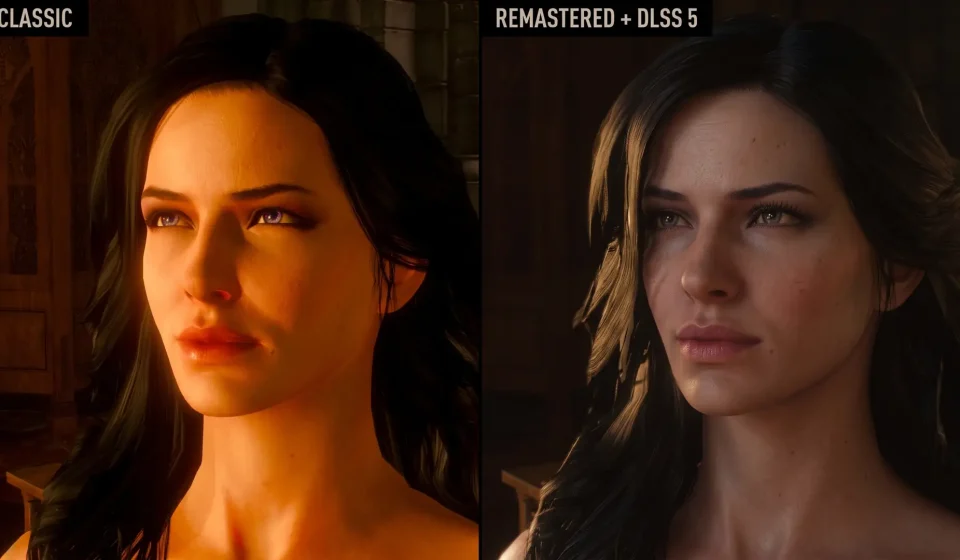
Detailed performance and visual quality metrics of the updated version have appeared online. The Witcher 3: Wild Hunt Remastered using NVIDIA DLSS 5 upscaling technology. A direct comparison with the next-gen version of the game revealed a significant difference in frame rates in identical scenes. On the Next-Gen version with DLSS 5 enabled, the average and instantaneous frame rate remains stable at 68 FPS. Meanwhile, in the remastered edition with the same DLSS 5 profile, the average frame rate drops almost half to 38 FPS with the same instantaneous frame rate, indicating the increased computational complexity of the upgraded algorithms and graphics effects.
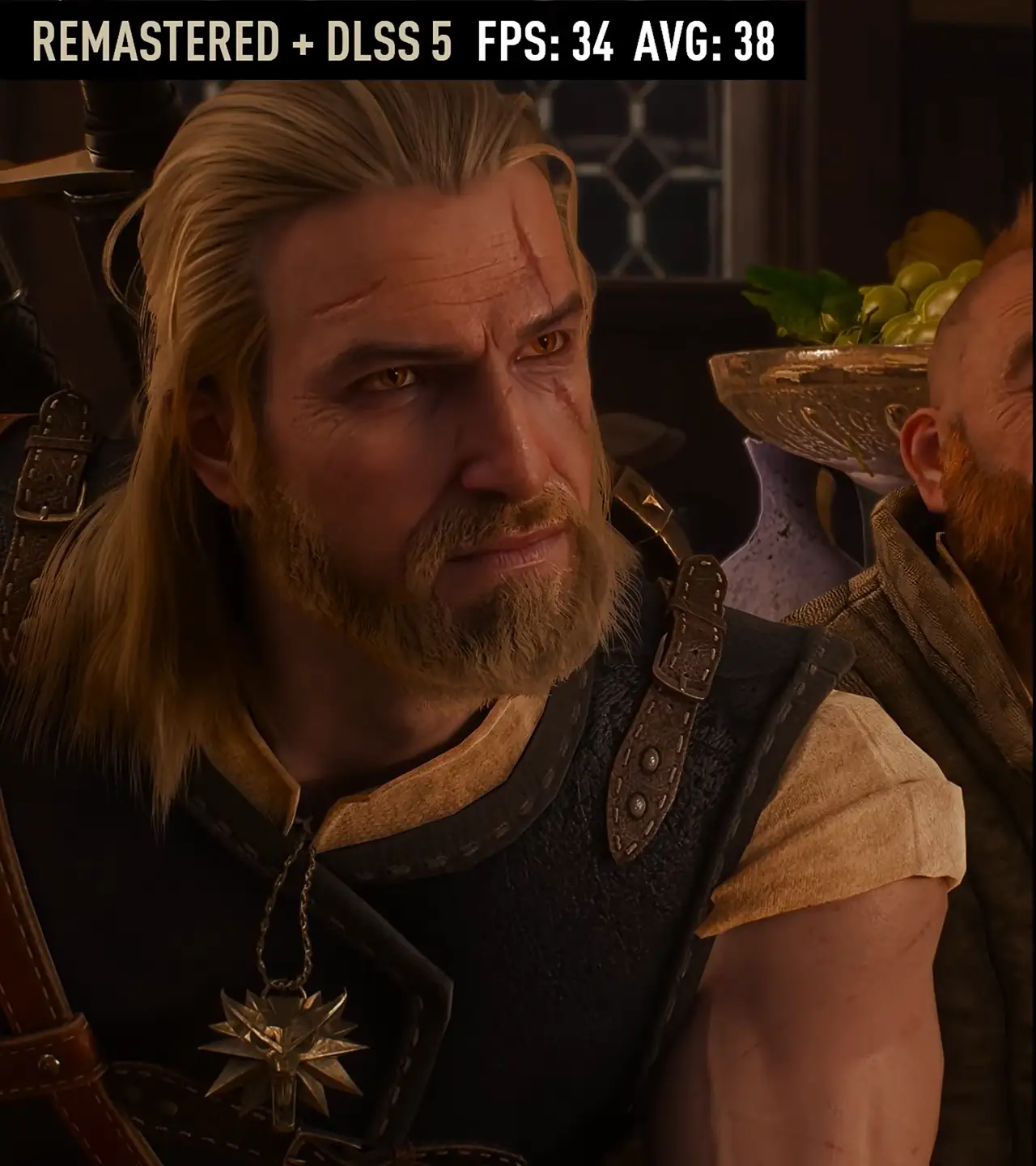
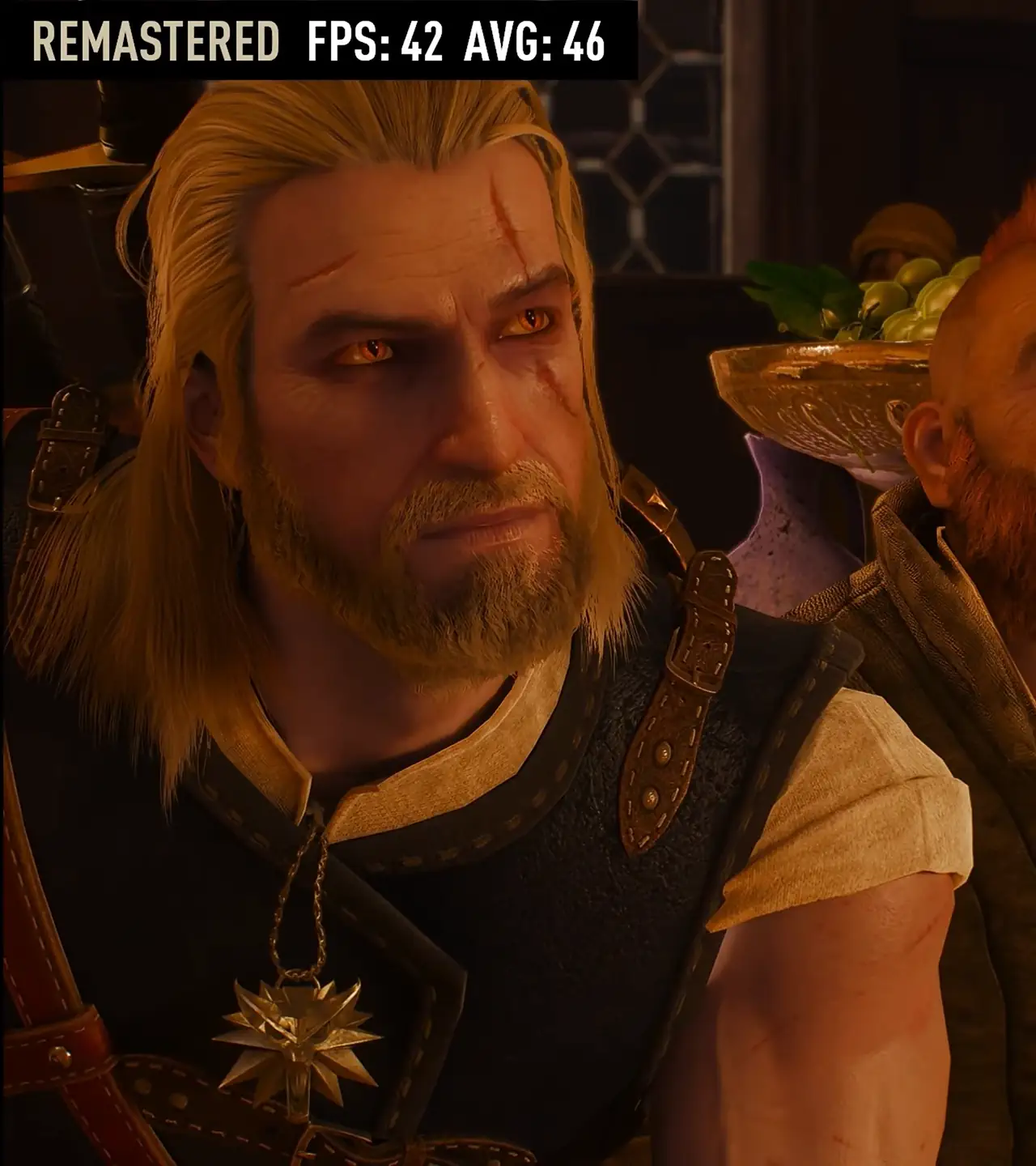
The impact of the neural network scaler on the performance of the remaster itself was also noticeable. On demanding scenarios, without DLSS 5 activated, the remaster offers 42 FPS in real time, with an average result of 46 FPS. Enabling DLSS 5 reduces these settings to 34 FPS and 38 FPS, respectively. GPU load increases due to the complex calculations performed by neural network image reconstruction models, which require significant GPU hardware resources, even with reduced baseline internal geometry rendering resolution.
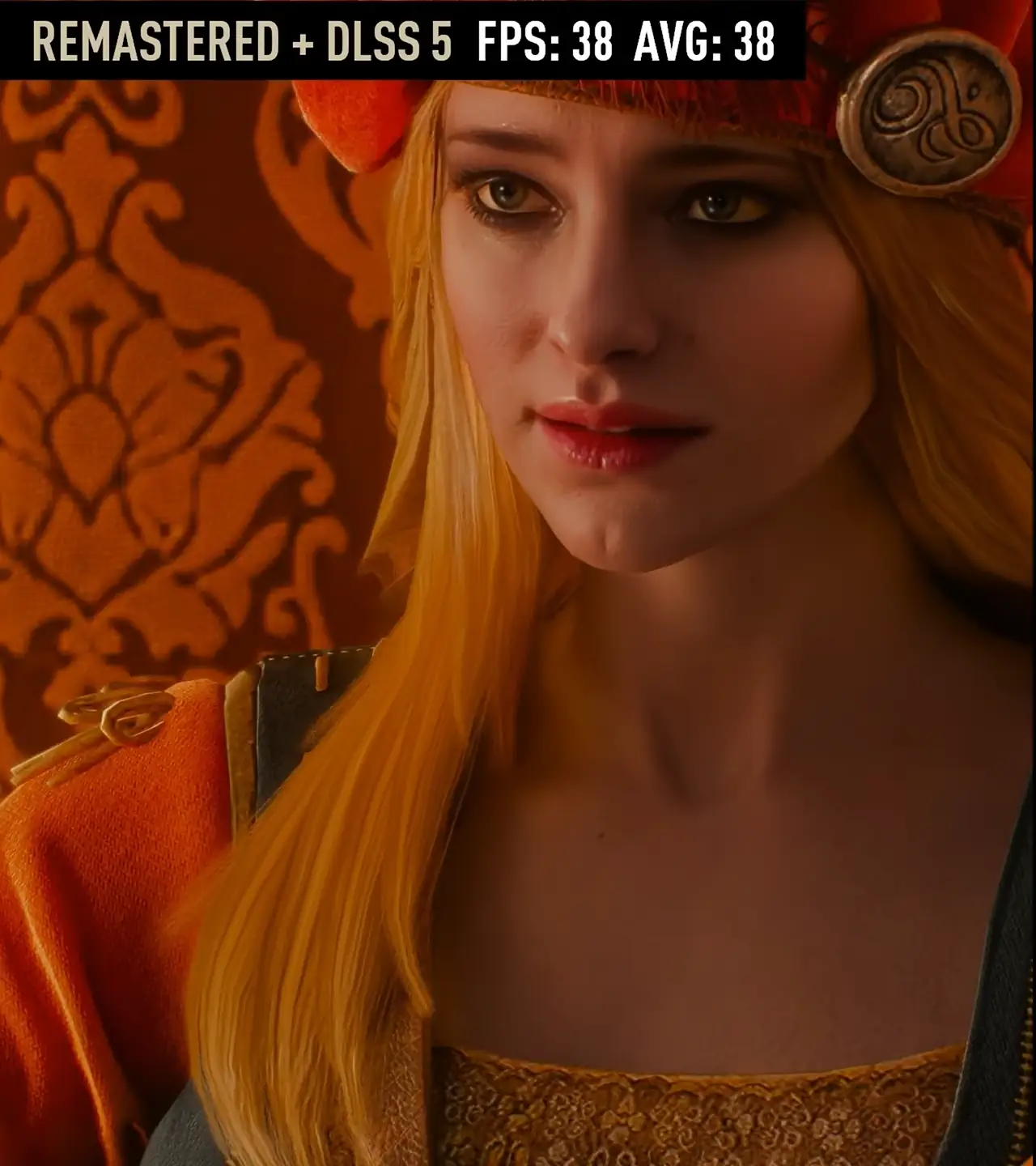
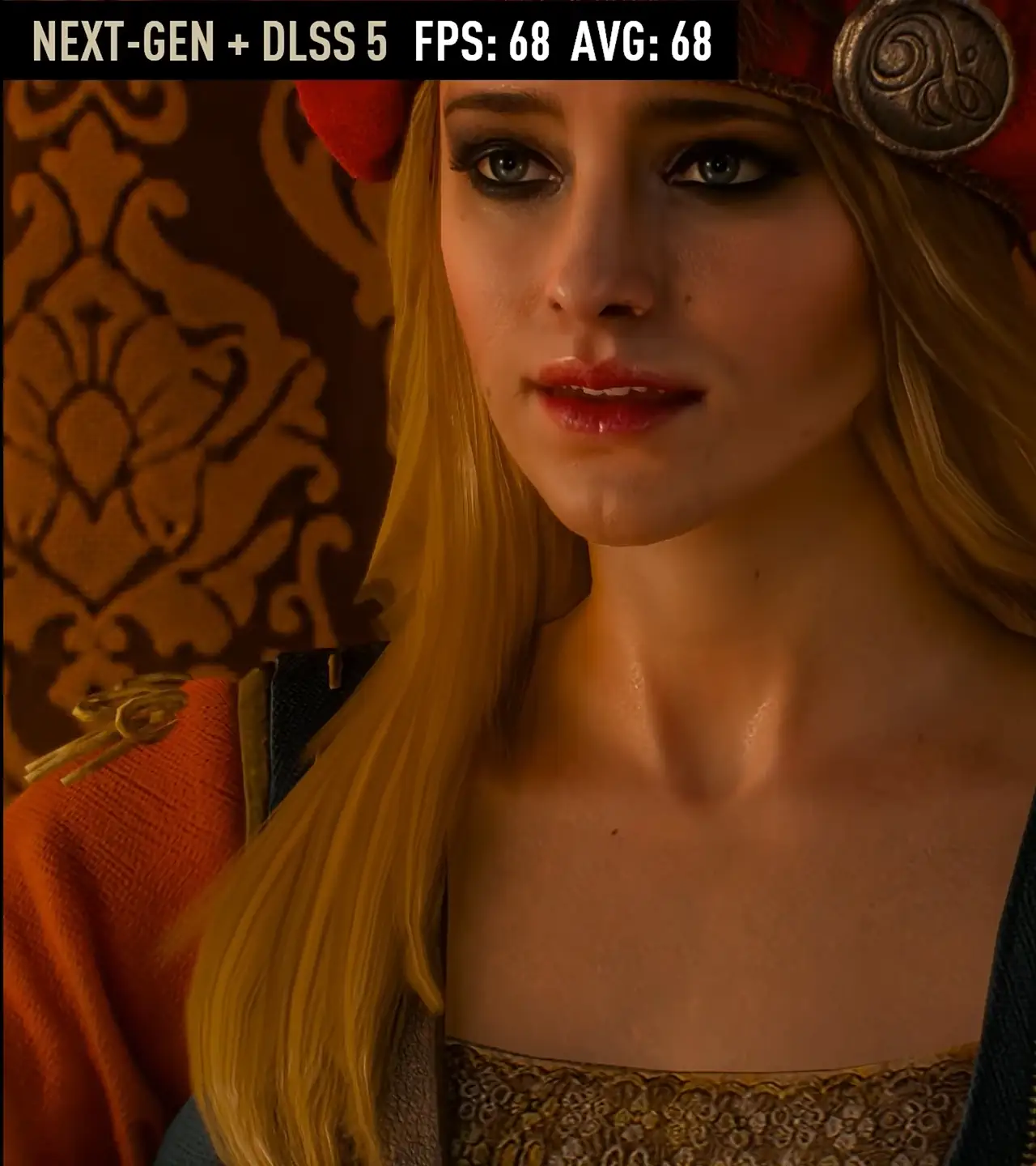
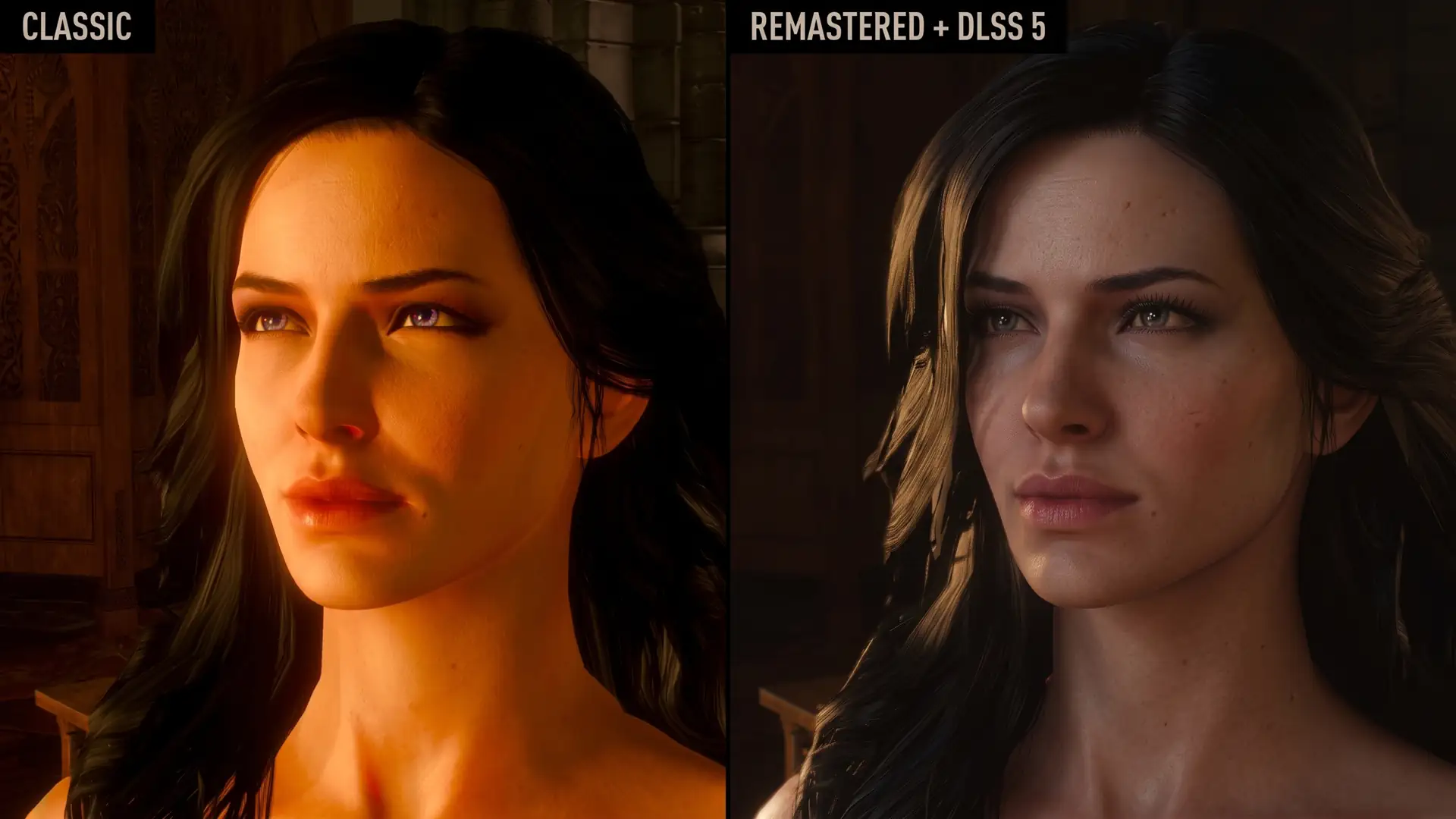
In terms of visuals, DLSS 5 in Remastered offers a noticeable improvement in image realism. The algorithm eliminates excess blur and specular highlights, making skin shading of reference quality through precise light diffusion and precise self-shading. Textures of hair, beards, and fine clothing, including the stitching of leather armor, are rendered with great clarity, without aliasing or pixel flickering. The image gains cinematic depth and contrast, even if this high level of detail comes at the cost of a notable drop in the base frame rate.
Source
@GameGPU_com
Join the discussion, share your benchmark results, and debate hardware performance in X.
Chat on X
Gn tech