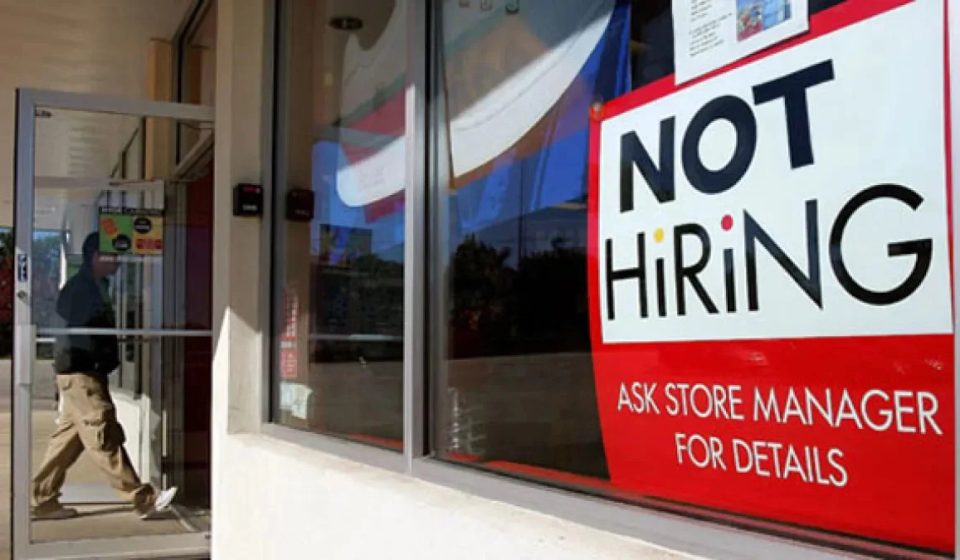

U.S. employers added just 29,000 jobs in September and the unemployment rate rose a tenth of a percentage point to 4.2%, according to the Labor Department. announcement Friday. Both results fell short of expectations, with analysts expecting job growth of around 90,000 and a flat unemployment rate for the month.
Job growth in the previous two months was also reduced, with July’s figures reduced by 31,000, bringing the final tally to a loss of 10,000, and August’s by 29,000 to 133,000.
The health care sector provided most of the growth in September, as it has for many months, adding 17,000 jobs, a weaker figure than usual. Construction companies created 11,000 jobs and manufacturers 9,000.
Federal, state and local government employment fell by 17,000, while professional and business services firms shed 9,000 jobs.
Wages increased 3.0% on an annual basis, the lowest 12-month increase since May 2021.
What the analysts say: Analysts downplayed the discrepancy in the headline figures, saying the labor market appears to be holding more or less stable, despite monthly variations. From July to September, job growth averaged 51,000 per month, a level that many economists consider stable in a job market with weak hiring and firing.
“The September jobs report was a little weaker than expected, but overall not too concerning,” JPMorgan’s Michael Feroli wrote in a note to clients. Feroli pointed out that the unemployment rate increased because 485,000 people entered the job market, a positive sign of the strength of the economy. And he described the three-month average growth as being “close to most estimates of trend monthly labor supply growth, that is, equilibrium employment growth.”
Joseph Brusuelas, RSM’s chief economist, said the labor market appears to have settled into a new normal, shaped by political policy and basic demographics. “Growth in domestic labor supply will remain weak given the well-known long-term demographic challenges posed by retiring baby boomers and restrictive immigration policies,” he said in a statement. research note. “Low numbers like September’s and an underlying trend of around 50,000 new jobs created each month will be the norm for at least the next two years.”
Heather Long, chief economist at Navy Federal Credit Union, made the same point. “The September jobs report tells us that the low-hiring, low-firing job market is still here,” she said. said on Long noted that job growth is largely driven by two sectors: health care and the construction of artificial intelligence infrastructure.
Gn bussni