
Levels of enterovirus D68, a respiratory virus that typically causes mild cold-like symptoms in adults but can lead to a rare polio-like illness in young children, are increasing in several areas of the Bay Area, according to recent data from municipal wastewater.
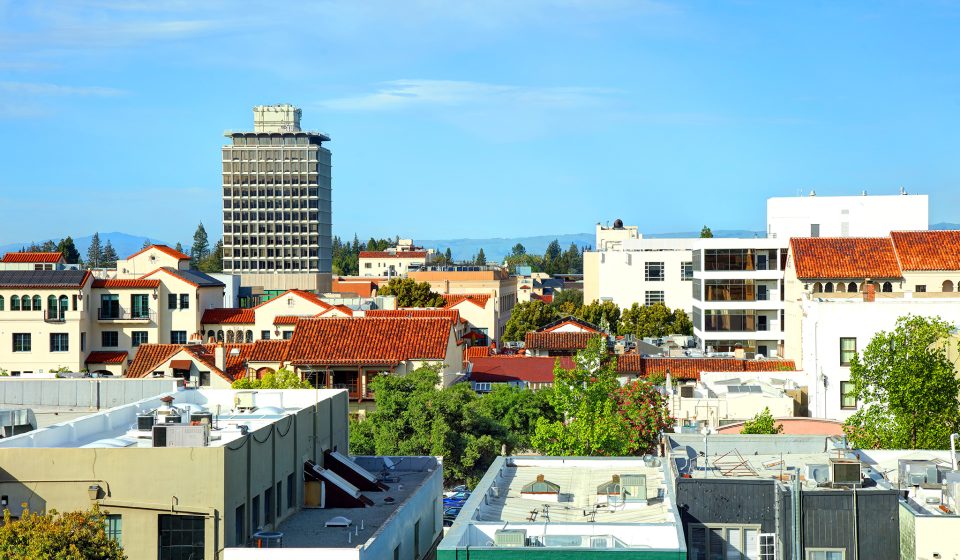
According to WastewaterSCAN, which monitors traces of several viruses nationwide, concentrations of EV-D68 are high and increasing in Palo Alto, Napa and southeast San Francisco. Just across the bridge, San Rafael also has high levels of the virus.
Cold and flu season has arrived early in San Francisco, with the city’s Department of Public Health announcing the city’s first flu-related death last week.
EV-D68, one of more than 100 nonpolio enteroviruses, usually appears in summer and fall, often causing a mild respiratory illness that resembles the common cold. Symptoms usually include a runny nose, sneezing, and muscle pain, but can lead to more serious symptoms like difficulty breathing and pneumonia in vulnerable populations. In rare cases, it can also cause acute flaccid myelitis, or AFM, a dangerous neurological disease that can develop in young children weeks after infection with EV-D68 and cause lifelong complications.
First identified in California in 1962, the virus appeared in small outbreaks, but by 2014 disease rates increased in the United States, leading to more than 1,000 infections across virtually the entire country. Last year, EV-D68 — along with several other respiratory illnesses — was in high circulation in the Bay Area, SFGATE previously reported.
“It’s the infants that we’re really worried about,” Dr. Monica Gandhi, an infectious disease specialist at UCSF, told SFGATE on Monday, referring to AFM.
This rare disease, which can be caused by different viruses such as West Nile virus and herpes, attacks the spinal cord, leading to sudden muscle weakness and loss of reflexes in children, according to the U.S. Centers for Disease Control and Prevention. Slurred speech, difficulty moving the eyes, and drooping facial features are also symptomatic of the neurological disease. Because the illness can develop in just a few hours or days, the CDC advises parents to bring their children to the hospital immediately if they have any concerning symptoms.
Older people, as well as young children and those who are immunocompromised, are at the greatest risk of developing severe illness if they contract EV-D68, Gandhi said. Even if “the majority of respiratory illnesses are benign in healthy individuals,” she continues, they “can nevertheless be serious for certain at-risk groups.”
Although there is no vaccine for EV-D68, individuals can take steps to protect themselves by washing their hands frequently and avoiding close contact with sick people. In the meantime, Bay Area residents are encouraged to receive updated flu and COVID-19 vaccines to prevent serious illness. “This sad news reminds us that respiratory viruses like the flu and COVID should be taken very seriously, especially for people who are at higher risk of getting sick,” San Francisco Health Officer Dr. Susan Philip said in the Department of Health’s Oct. 1 announcement. “As we approach the fall festivities, we want people to stay healthy and do all the fun and joyful things they want to do. Vaccines help make that happen.”
Gn Health