Testosterone is definitely having a moment.
Men much younger than those traditionally affected by “low T” are suddenly concerned about their levels, even going so far as to self-administer testosterone replacement therapy and potentially destroying their own fertility in the process.
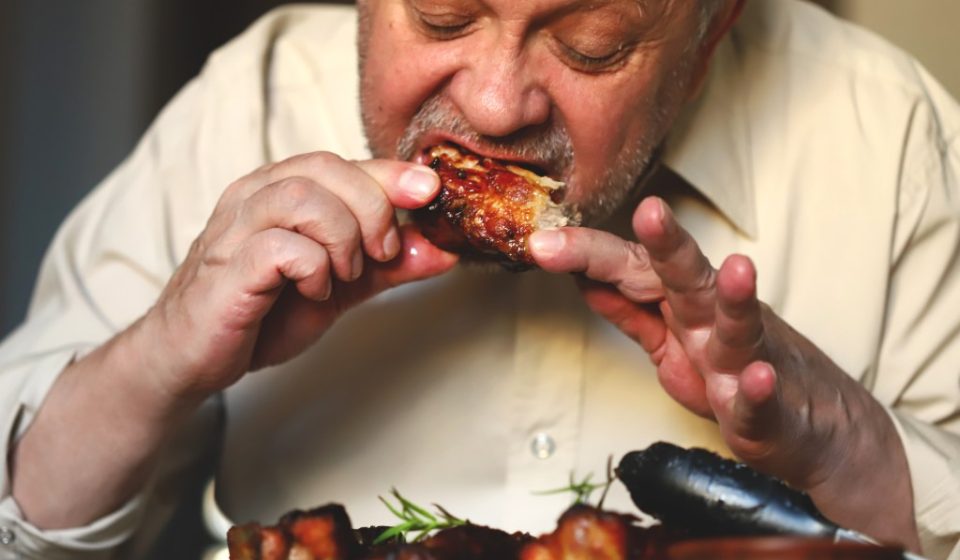
But what if meat lowers what many men consider to be the ultimate measure of masculinity?

Research suggests that men might instead focus their attention on what they eat for dinner.
A Finnish study found that the more animal protein men ate, the lower their testosterone levels. Conversely, eating more plant proteins increased them.
This may be a sign that carnivores should move on.
What the researchers discovered
Researchers examined the diets of 2,546 men aged 42 to 60 over four days.
On average, participants ate more animal protein than plant protein, accounting for 70% of the men’s total protein intake.
Participants then took two testosterone measurements via blood test, total testosterone and sex hormone binding globulin (SHBG), which help testosterone move around the body.

Researchers found that diets higher in animal protein were associated with lower levels of testosterone and SHBG.
Men consuming the most animal protein and the least plant protein had 1.2 nmol/L lower testosterone levels. This translates to about an 8% difference in testosterone levels in an average man aged 40 to 44, based on figures found in another study.
While those who had the most plant protein (and the least animal protein) had 1.1 nmol/L higher testosterone levels, a difference of about 7% compared to the same average man in his early 40s.
In other words, eating more meat was associated with lower T levels, while eating more plant protein was associated with higher testosterone levels.
Why plant proteins might be better
Researchers found that those who consumed more animal protein also had a higher BMI, were more likely to smoke, drink more alcohol and were more likely to have diabetes.
Meanwhile, eating more plant-based protein was associated with more physical activity, more fiber, greater consumption of fruits and vegetables, and less consumption of tobacco and saturated fats.
Why this difference? The authors claim that plant proteins can reduce inflammation. Higher inflammation is linked to lower testosterone secretion.
Legumes (including lentils, soy and tofu), nuts, seeds and whole grains like quinoa and farro are excellent sources of protein. Plus, they have the added benefit of containing fiber and antioxidants.
Meanwhile, animals remain the primary source of protein for Americans.
Although they have the advantage of being “complete” – containing all nine essential amino acids – red meat, and particularly processed meat, contains higher levels of unhealthy saturated fats.
Increased consumption of red meats has been linked to heart disease, stroke and cancer.
Gn Health