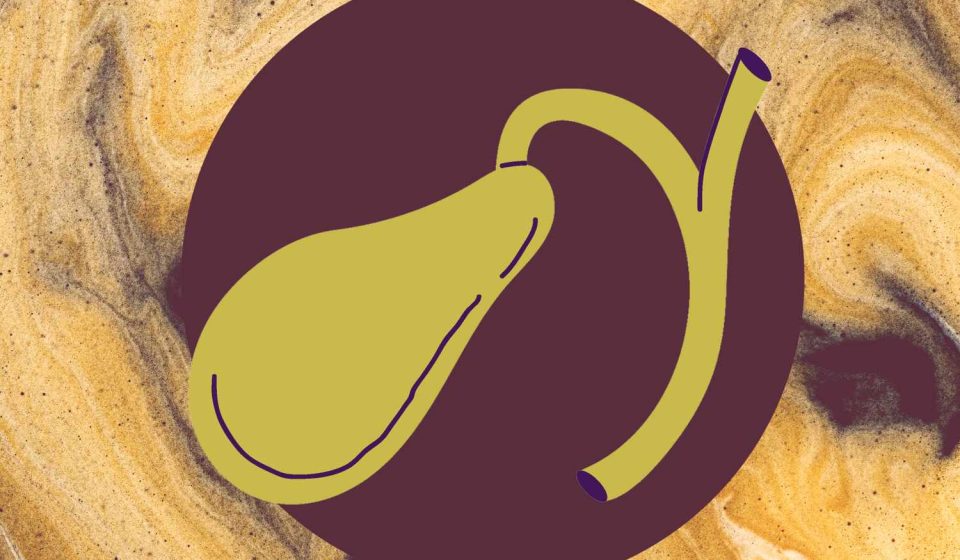

- Coffee stimulates gallbladder contractions and may be associated with a lower risk of gallstones.
- If you have gallstones, check to see if coffee seems to trigger discomfort.
- High-fiber foods, regular activity, and gradual weight management can promote gallbladder health.
Your morning cup of coffee does more than wake you up. This also sets off a chain reaction in your digestive system, and your gallbladder is one of the organs that responds. This little pear-shaped pouch tucked under your liver stores bile, a fluid that helps you digest fats. If you’ve ever felt a pang after your latte or wondered whether coffee increases or reduces your risk of gallstones, you’re not alone.
The research on coffee and gallbladder health is quite encouraging, but it’s not simple. Coffee seems to help some people and bother others, depending on whether they already have gallbladder problems. Here’s what the evidence shows about daily coffee consumption and how it can affect your gallbladder.
How Drinking Coffee Affects Your Gallbladder
This causes your gallbladder to contract
When you eat, your body releases a hormone called cholecystokinin, or CCK. CCK signals your gallbladder to squeeze and push bile into your small intestine. “Regular coffee consumption encourages the gallbladder to contract and empty rather than allowing bile to stagnate,” shares Jay Luthar, MD Research suggests decaffeinated coffee can do the same. This indicates compounds present in coffee beyond caffeine.
“By causing frequent contractions and keeping bile moving, drinking coffee regularly can help prevent bile from stagnating and hardening into new gallstones,” says Daniel Atkinson MD.
It is linked to a lower risk of gallstones
Several large observational studies have linked regular coffee consumption to a lower risk of symptomatic gallstones. Researchers suggest this may be because coffee can increase bile flow, improve gallbladder movement, and change bile acid metabolism in ways that make gallstone formation less likely. They also note that coffee may affect bilirubin processing and hormone metabolism, which could further help protect against symptomatic gallstones.
This could trigger discomfort if you already have gallstones
The same contractions that can help a healthy gallbladder release bile can cause problems if you already have gallstones. When the gallbladder becomes compressed, a stone can press against or block a bile duct, potentially leading to a gallbladder attack, which often feels like a sharp pain in the right upper abdomen.
Evidence that coffee itself triggers gallbladder attacks is limited, and answers vary from person to person. If you have experienced gallstones and feel pain after drinking coffee, it makes sense to reduce your consumption and speak with your doctor.
Other Drinks That May Support Gallbladder Health
Coffee isn’t the only beverage potentially beneficial for the gallbladder. The evidence for most of these is modest, but these options can easily be incorporated into a healthy routine:
- Water: Staying hydrated supports overall digestion and body function. It’s also a calorie-free replacement for sugary drinks, which have been linked to a higher risk of gallstones in some studies. “Bile is made up of approximately 95% water. Staying hydrated prevents bile from becoming too concentrated and thick, which is the main precursor to gallstones,” says Atkinson.
- Green tea: Some observational research has linked green tea consumption to a lower incidence of gallbladder cancer. Green tea also contains caffeine and plant compounds called catechins, although their direct effects on the gallbladder require further study.
- Decaffeinated coffee: If caffeine makes you jittery, decaf still causes gallbladder contractions. Just be aware that the link to a lower risk of gallstones appears weaker than with regular coffee.
Other Tips to Support Gallbladder Health
Your daily habits play a bigger role in gallbladder health than any beverage. These evidence-based tips can help reduce your risk of gallstones and related problems:
- Eat more rich in fiber food. Fruits, vegetables, beans, peas, and whole grains can support healthy digestion and are generally recommended as part of a gallbladder-friendly diet.
- Reduce refined carbohydrates and added sugar. Eating fewer highly processed carbohydrates and sugary foods can help support overall metabolic health, which is linked to a lower risk of gallstones.
- Include healthy fats in your diet. Fats like olive oil and fish oil can help the gallbladder contract and empty regularly, which can support normal gallbladder function.
- Limit foods high in saturated fat. Fried foods, rich desserts, and other foods high in saturated fat can be more difficult to digest and are best minimized in a gallbladder-friendly diet.
- Maintain a healthy weight through regular physical activity. Staying active and achieving a healthy weight can help reduce the risk of gallstones and support overall gallbladder health.
- Follow a balanced and consistent diet. A regular, nutritious diet is generally better for gallbladder health than a heavily processed or very restrictive diet.
Our expert opinion
Drinking coffee every day appears to be safe, and perhaps helpful, for most people’s gallbladder. But that said, coffee is not a cure or a guaranteed form of prevention. If you already have gallstones, the contractions triggered by coffee could cause discomfort for some people. What you add to your cup matters too, so keep the cream and sugar in check. Tea, water and decaf can be good alternatives if you want to reduce your consumption.
“You don’t need to obsess about your gallbladder if you feel good. There’s no need to ‘cleanse’ or detoxify the gallbladder. The fundamentals—healthy weight, regular physical activity, high-fiber foods, healthy fats, and avoiding extreme diets—are much more important,” according to Luther.
Gn Health